

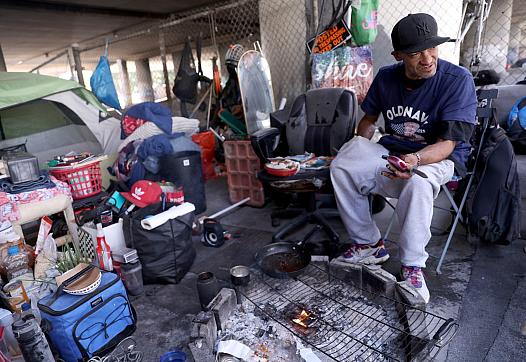
Per-capita homelessness higher in Santa Clara, Alameda and San Francisco than rates of suburban counties.
Per-capita homelessness higher in Santa Clara, Alameda and San Francisco than rates of suburban counties.
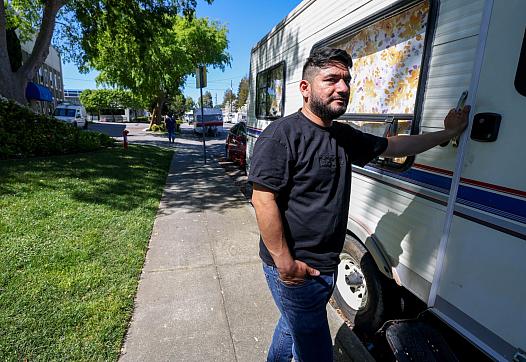
Sky-high housing costs have made the region an outlier, pushing more people into homelessness and making it harder to escape
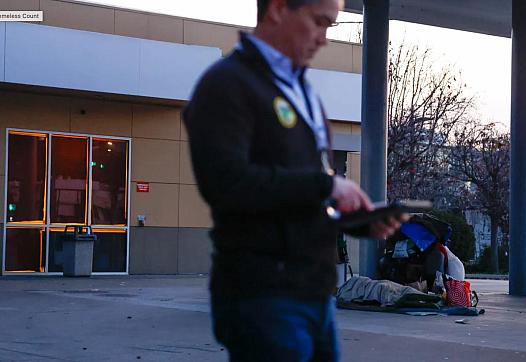
What one-night counts can and can’t reveal about the region’s homelessness crisis.
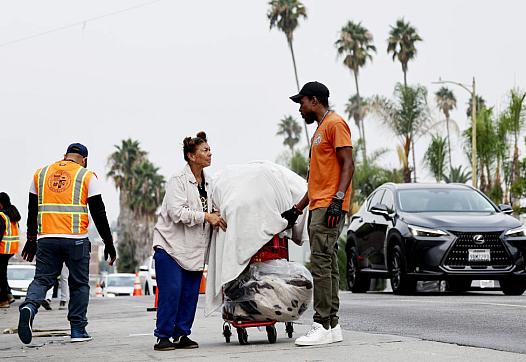
A data fellow analyzes Mayor Karen Bass’ Inside Safe homelessness program and finds rising return-to-street rates that raise questions about its long-term success.
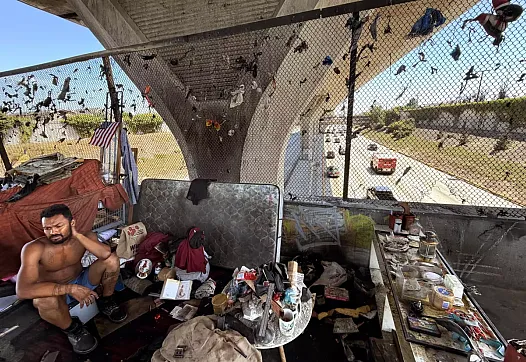
A Times analysis shows the same neighborhoods Mayor Bass targeted keep drawing people back to the streets.

When San Francisco wouldn't release its recidivism data, one reporter scraped the numbers herself to reveal ongoing cycles of addiction and incarceration.
The first story of a three-part series about the intersection of domestic violence and homelessness in Fresno.
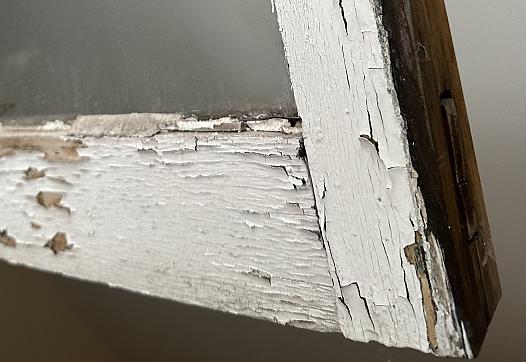
A data journalist set out to map Duluth's lead water lines, until experts pointed instead to the lead paint in the city's century-old homes.

In Southwest Detroit, a year after a devastating 54-inch water main break displaced hundreds, residents face ongoing challenges.
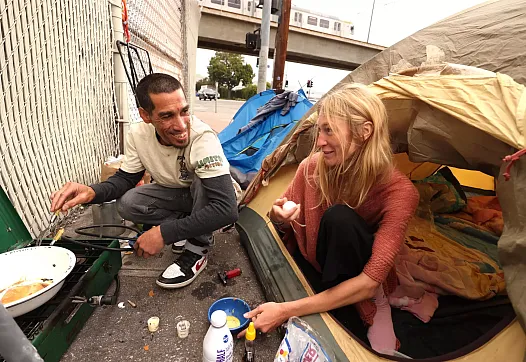
The longer Inside Safe exists, the greater the share of participants who have returned to “unsheltered” homelessness, according to a Times analysis.