

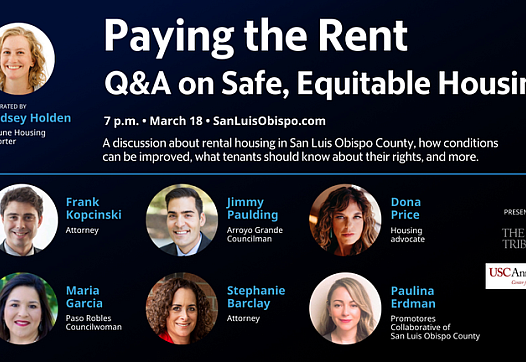
RSVP for the live event here
RSVP for the live event here
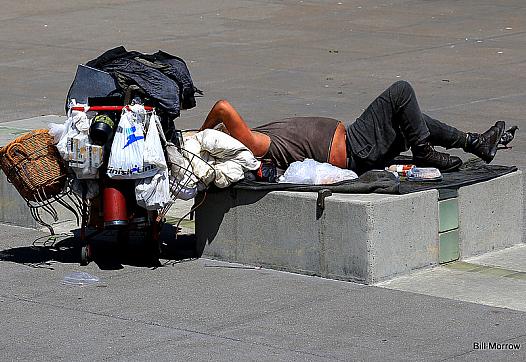
The city’s Department of Homelessness and Supportive Housing is the main agency that oversees San Francisco’s shelters and services — and it has little to no oversight.
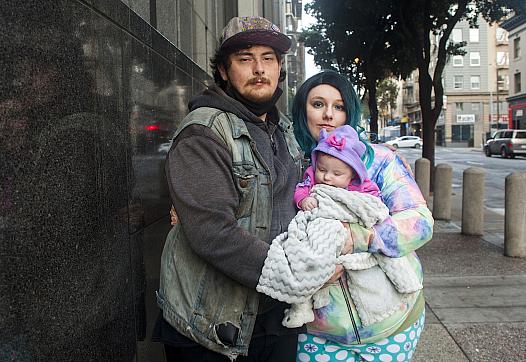
The cornerstone of the city’s homelessness fight is to move folks into permanent housing. For Nathan Caine, Cimber Sims, and their baby girl, the waiting is the hardest part.
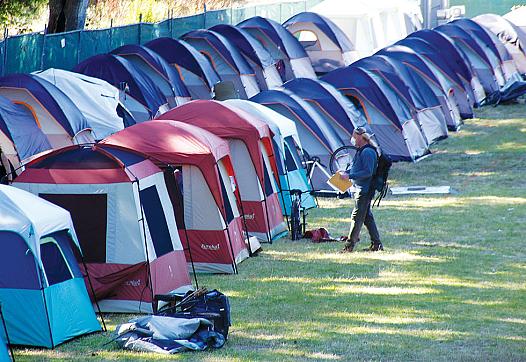
Being homeless poses huge daily health risks, and Santa Cruz, California offers no exception.
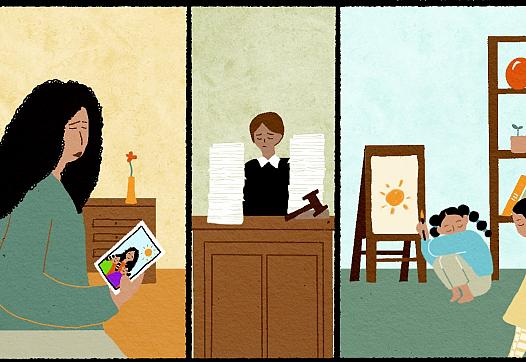
Instead of a surge of children entering foster care during the pandemic, the child welfare system has often found itself struggling to help families leave the system.
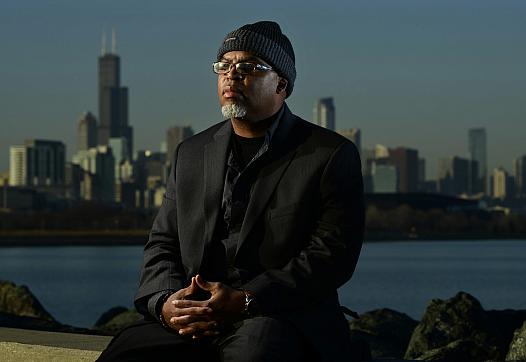
It can be hard for people returning from a prison sentence to secure the housing they need to successfully reenter communities. And the COVID-19 pandemic has made it even harder.
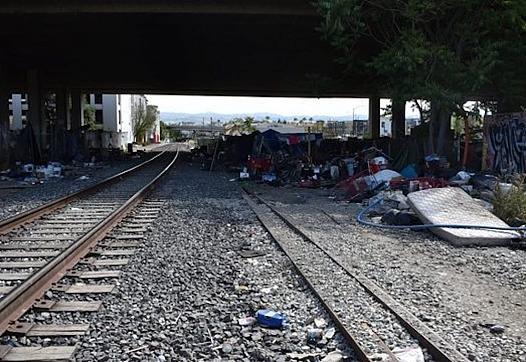
In Santa Clara County, homeless deaths are skyrocketing while the homeless population has not substantially changed.
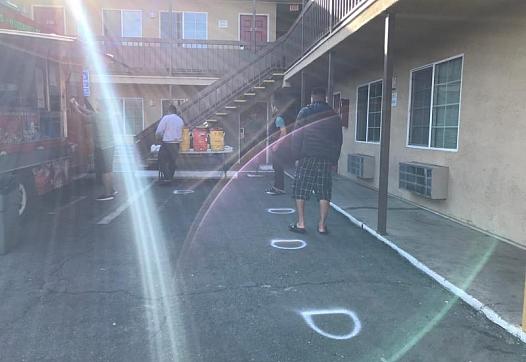
California farmworkers have been hit especially hard by the virus, as they often live in overcrowded housing, travel in groups to work, and lack access to health insurance.
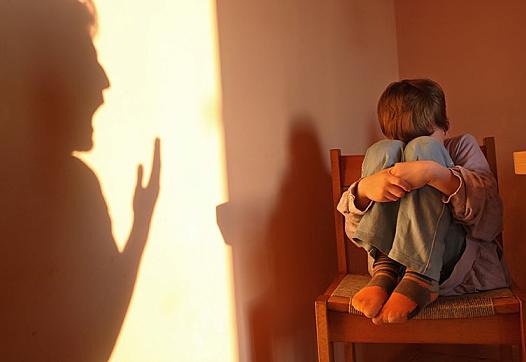
— The evidence is unclear; some see the pandemic as a chance to revamp systems toward prevention

Outside of the traditional foster care system exists a shadow system of potentially hundreds of thousands of children removed by CPS to their relatives or family friends—without a court case, monetary support, or due process.