

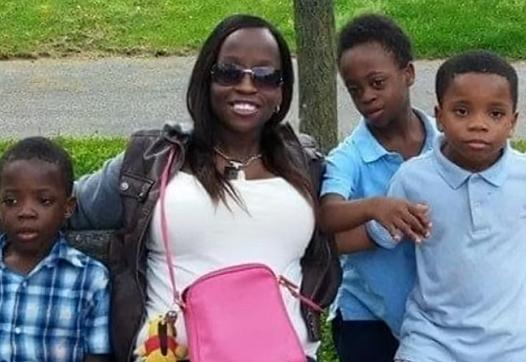
A teenage boy left at a hospital in December 2019 triggered 11Alive’s investigation into child abandonment. His mom says there’s a lot we don’t know about that day.
A teenage boy left at a hospital in December 2019 triggered 11Alive’s investigation into child abandonment. His mom says there’s a lot we don’t know about that day.
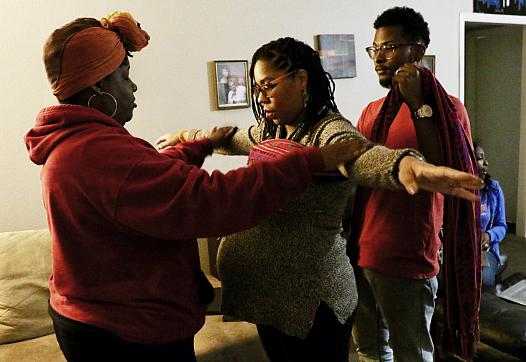
While progress to address poor birth outcomes among Black Oklahomans has been slow, women are taking action themselves.

“More workers have died from COVID-19 in the last 18 months in the meat and poultry industry, than died from all work-related causes in the industry in the past 15 years,” as one expert testified.
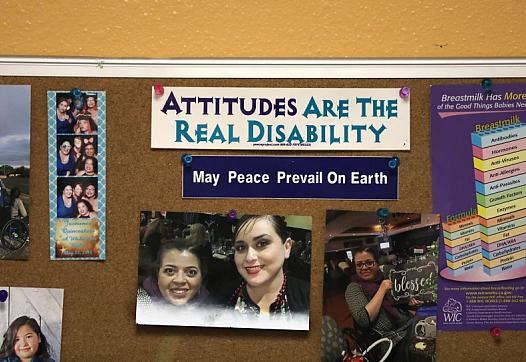
Disabled people get pregnant and give birth at the same rates as nondisabled ones. But their outcomes are often far worse, and modern medicine has largely turned its back on them.
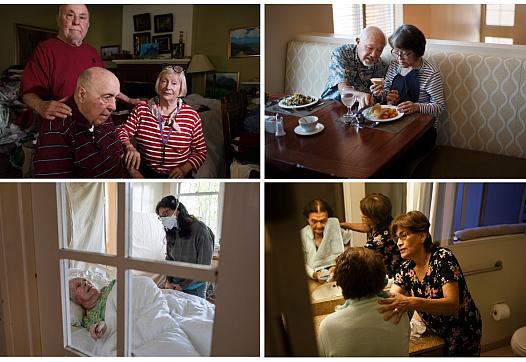
Four families share how the pandemic changed their care plans during an "emotionally horrifying" year.
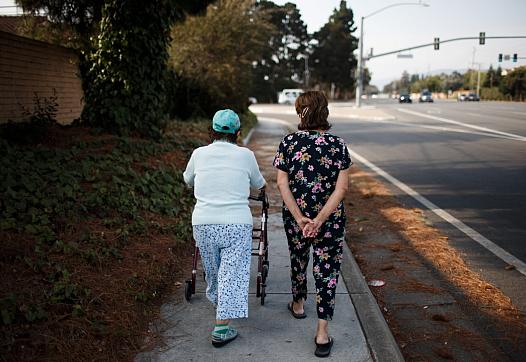
Experts urge people to think now about the type of care they want in the future.
Emily DeRuy reported this story while participating in the USC Annenberg Center for Health Journalism’s 2021 California Fellowship.
Other work by her includes:
COVID forced Bay Area families to make agonizing elder-care decisions. Is there a fix?
Getting older doesn’t have to be scary. Things to con
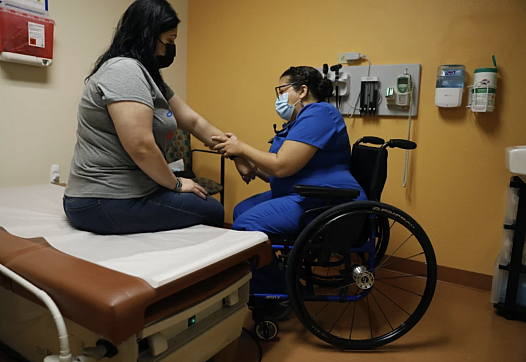
Though disabled women now get pregnant and give birth at the same rate as nondisabled ones, modern medicine has largely turned its back on them.
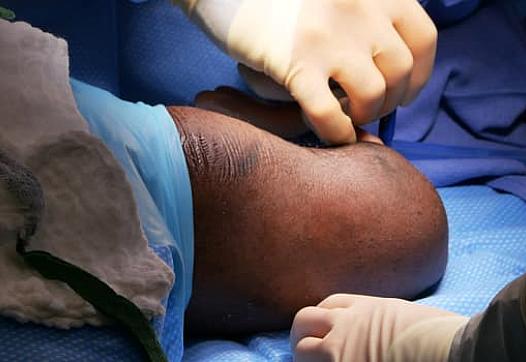
The number of patients with “unsalvageable” disease has ticked up. So too has the rate of amputations.

UCLA study answers some of the questions expectant mothers have had since early in the pandemic, when so much was unknown.