Decades ago we made our criminal justice policies tougher, but in a way that turned out to be neither just nor equitable. As the prison population has soared, we've come to realize our justice system is also terrible for your health. And the forces driving lockups and bad health are often the same.
Rhode Island’s Department of Children, Youth, and Families is struggling to cope with an influx of neglect and abuse cases and has run into financial trouble. Reporter Kristin Gourlay explores how a national "home visiting" program aims to keep families from entering the system in the first place.
Rhode Island doesn’t have enough foster families to meet a growing need. That’s one reason the state's child welfare agency places a higher percentage of kids in group homes than almost any other state. Officials acknowledge the problem, but recruiting new foster families has been tough.
Rhode Island’s child welfare system is under the microscope. Gov. Gina Raimondo has called for a complete overhaul, saying the Department of Children, Youth, and Families has not only been mismanaged, but has failed the children and families it’s supposed to serve.
Programs that offer public health coverage to kids are crucial to boosting the number of insured kids, but they're often not enough. Research suggests that parents' insurance status is a really strong predictor of whether their kids are covered. Policy wonks call it the "welcome mat effect."
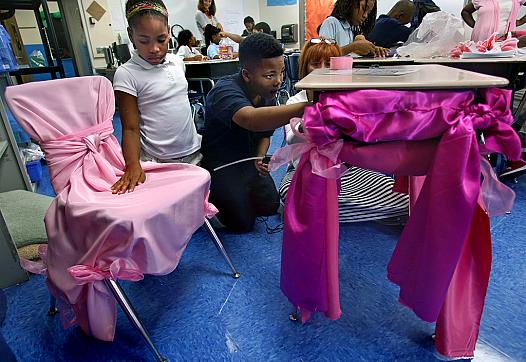
To Campbell Park. To Fairmount Park. To Lakewood, Maximo, or Melrose. The five worst elementary schools in Pinellas County — all among the very worst schools in Florida — have seats with their name tags on them.
Social workers at Rhode Island’s Department of Children, Youth, and Families say they have too many cases to really make a difference in children’s lives. The agency is already facing criticism for other problems, including one of the nation’s highest percentages of foster children in group homes.
A study of Holocaust survivors is casting new light on our understanding of trauma’s effects on the body. The research suggests that extreme trauma can manifest itself in our genetic fingerprints — and that these changes can be passed on to the next generation.
Are high schoolers who use e-cigarettes more likely to turn into smokers? New research published this week strongly suggests that's the case, but the study can't prove one causes the other. Meanwhile, laws preventing the sale of such devices to minors haven't done much to curb their spread.
Michael LaForgia wrote this story for the Tampa Bay Times as part of a 2015 National Health Journalism Fellowship....