


The first studies of last year’s fires have revealed some unexpected hazards of urban mega-fires.
The first studies of last year’s fires have revealed some unexpected hazards of urban mega-fires.

Rising housing costs in Massachusetts are forcing working families to sacrifice food, lose SNAP benefits, and face impossible tradeoffs, pushing many toward food pantries or leaving the state.

Stories of preeclampsia, ignored pain and systemic racism show how preventable failures cost Black women and babies their lives.

An entire gambling ecosystem operates with virtually no federal guardrails, and a generation is growing up with casinos on their phones.
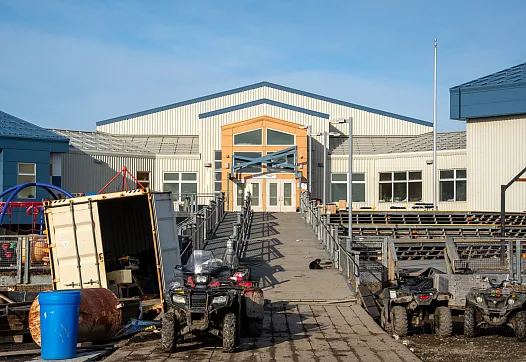
Across hundreds of Alaskan communities, public schools are often the safest buildings where people can take shelter during disasters. After decades of state neglect, however, some have become emergencies themselves.
The Dispatch and the Columbus Metropolitan Library have launched a partnership that allows central Ohioans to test their homes for radon for free.
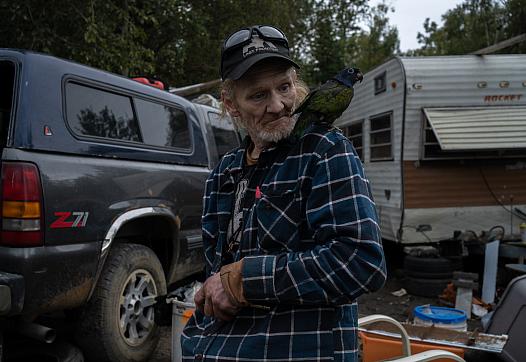
Overdoses have been declining nationally since August 2023, but Alaska is far behind in that progress
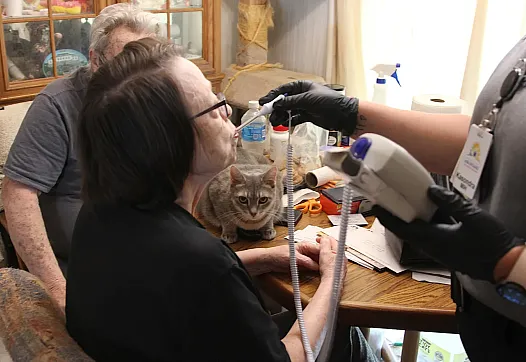
A rural Missouri ambulance district brings preventive care into homes, reducing emergencies while highlighting workforce shortages and the need for community-backed EMS funding.

Rides to Care, run by the Detroit Health Department, has completed more than 20,000 rides since the program’s inception last year, officials say.
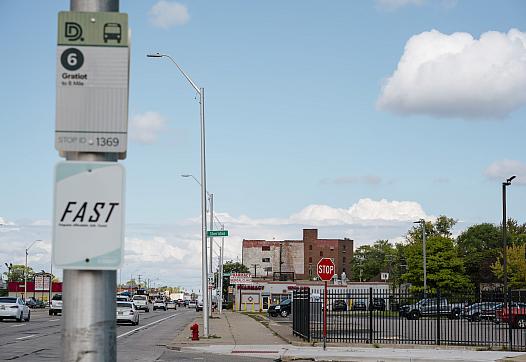
Without access to a car, transportation alternatives can be unaffordable or inconvenient.