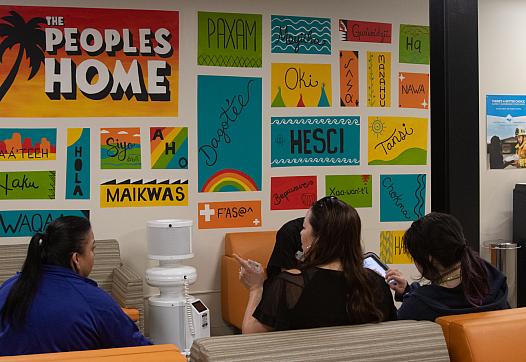
Part 2 of a three-part series examining the impacts of the opioid crisis on children and families in Mississippi and the state’s decisions on how to spend opioid settlement funds.
Part 2 of a three-part series examining the impacts of the opioid crisis on children and families in Mississippi and the state’s decisions on how to spend opioid settlement funds.
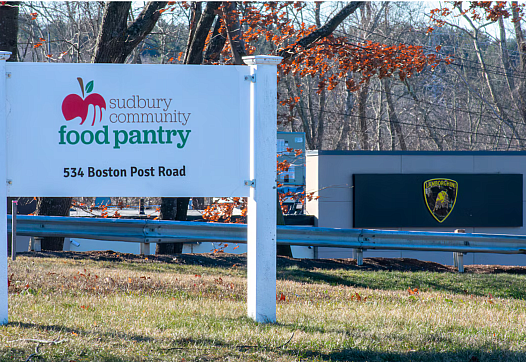
Last year, more than 1,000 families turned to the Sudbury Community Food Pantry for help putting food on the table. Just across the street, showrooms gleam with Lamborghinis, Bentleys and Land Rovers.
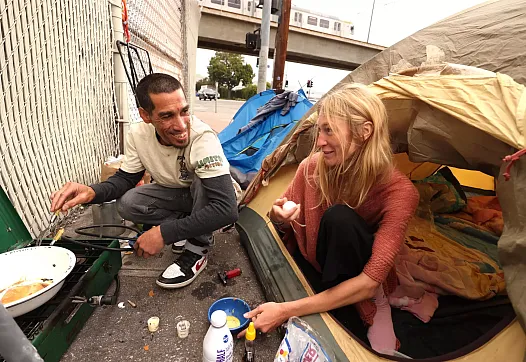
The longer Inside Safe exists, the greater the share of participants who have returned to “unsheltered” homelessness, according to a Times analysis.
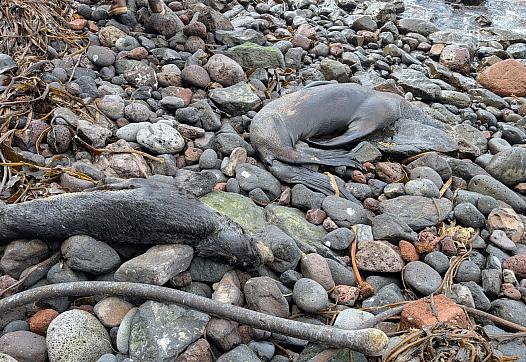
Fur seal die-offs in the Bering Sea’s Pribilof Islands are part of a pattern that affects people who depend on the sea for their food, culture and economic well-being

Korean Americans face a silent mental health crisis. From young adults to isolated elders, cultural stigma keeps suicide rates rising — and too many signals go unnoticed.
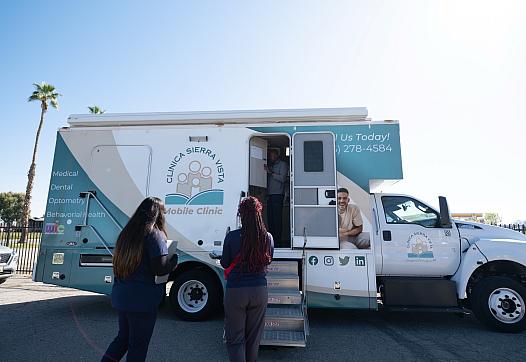
Mobile clinics serving California's Central Valley farmworkers face a crisis: immigration fears and funding cuts are shrinking access for 332,000 undocumented residents who have nowhere else to turn.

Indian American women with breast cancer often hide their diagnoses to protect loved ones. But that silence — rooted in cultural stigma — can delay care and deepen isolation.

Dr. Benjamin laid out a sweeping critique of the U.S. health system, reflecting on decades of experience as an emergency physician and public health official.
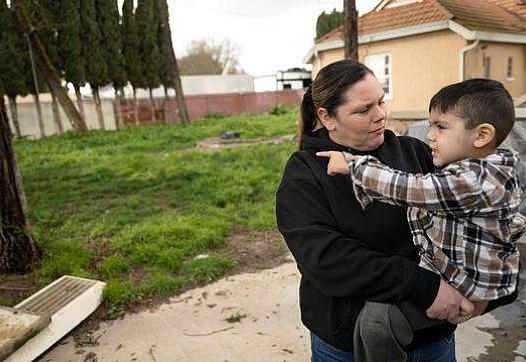
In Stanislaus County, most tested private wells exceed safe limits for nitrate and other toxins. With little regulation, rural families rely on bottled water as long-term fixes lag.