Last year marked a turning point for people living with chronic hep C and public radio reporter Kristin Gourlay led the way in documenting the bittersweet promise of new treatments. In this post, she shares how she reported the series and the resources she found invaluable.
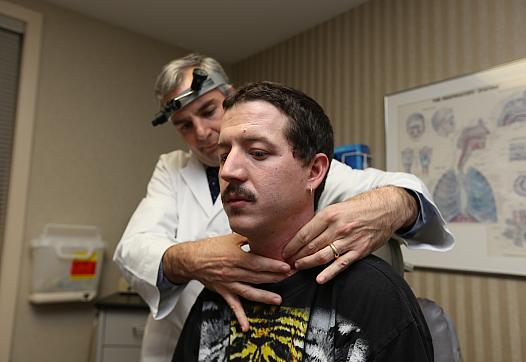
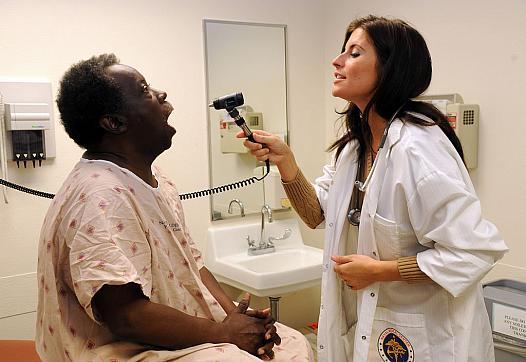
Doctors usually train in a specialty, but they don’t have to practice in that specialty. And, in most states, they don’t have to tell you how they trained before they treat you. Records from medical specialty boards can help reporters figure out if doctors are board-certified and in which field.
Medicare made more than $583 billion in payments in 2013. But, for one of the fastest rising areas of Medicare spending, the agency has no way of knowing whether all that money was spent wisely.
An innovative program allows elderly residents to remain in their own homes, rather than in a nursing home. At AltaMed's El Monte clinic, a 14-member interdisciplinary team coordinates each senior patient’s care, and vulnerable seniors are kept as busy and engaged as possible.
“Health care is what happens when things go wrong,” Dr. Anthony Iton says. “Health care doesn’t actually make you healthy — it prevents you from deteriorating rapidly.” The broader forces that really shape health, he argues, are what journalists and policymakers should really be focusing on.
The 2015 California Health Journalism Fellowship kicked off with a wide-ranging conversation between Gerald Kominski of UCLA's Center for Health Policy Research and Anna Gorman of Kaiser Health News on the past and future of health reform.
The practice of physicians "self-referring" patients to facilities in which they or their families have a financial stake has dramatically increased in some specialties. The practice increases health costs for procedures and tests that are of questionable benefit to patients.
A series of reports has found that physicians who "self-refer" are following their financial interests and not always the best interests of their patients. The trend is driving up health care costs and potentially putting patients at risk from unnecessary services.
Geographic boundaries can have a big impact on health insurance options, particularly for people living in rural regions. Rural residents tend to fare better on premiums and choices when their area is grouped with an urban neighbor.
As California's statewide figures drop, Del Norte County has seen its domestic violence rate skyrocket. That raises a question: How are domestic violence survivors in this rural community on the Northern California coast faring after reporting abuse?