

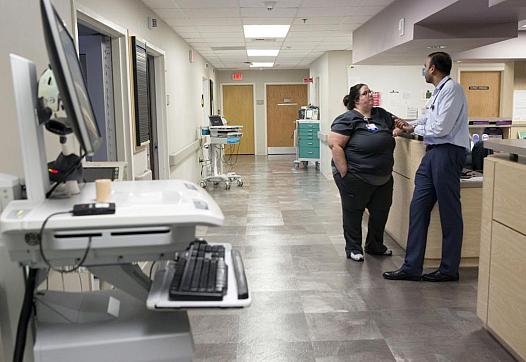
For nearly a year, the former competitors have gathered daily to share information on patients and staffing.
For nearly a year, the former competitors have gathered daily to share information on patients and staffing.
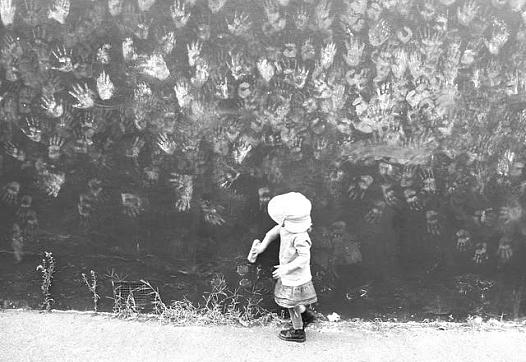
When stories make bold claims about life expectancies chopped by decades or rates of chronic diseases skyrocketing for those with higher scores, they can create heightened anxiety without a real solution.
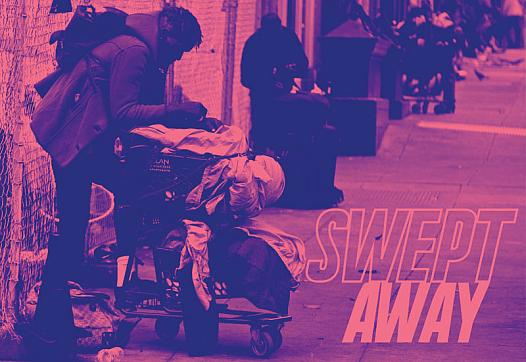
Nearly 10,000 people in San Francisco are homeless, with a nightly shelter bed waitlist that hasn’t dropped below 1,000 in more than a year.
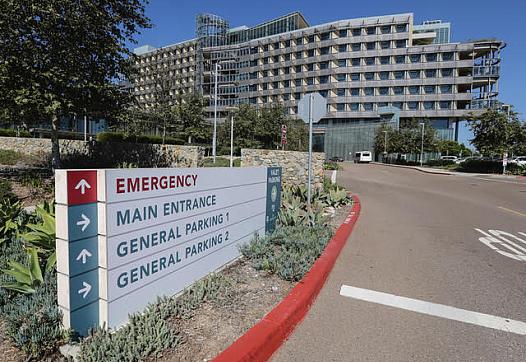
Last November, I sought to get at the financial impact of more ER visits. Data showed an 18% jump in ER visits in San Diego from 2012 to 2017, reflecting a statewide trend.
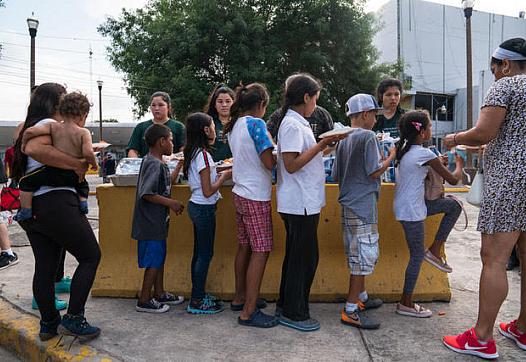
A reporter sets out to explore the unprecedented challenges education professionals are facing as they attempt to create programs that support undocumented children who are navigating life in a foreign country.
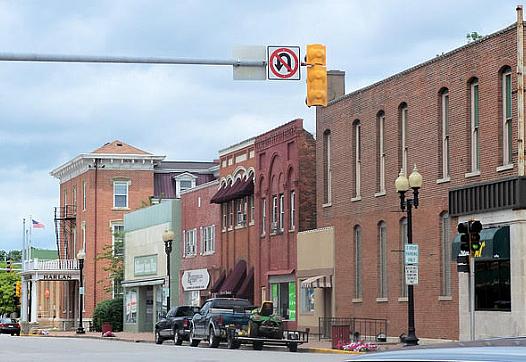
In May, ICE agents raided a precast concrete plant on Mount Pleasant’s west side. Thirty-two men, most from Guatemala, were detained. That one event has led to months of turmoil for the families of the men and the community.
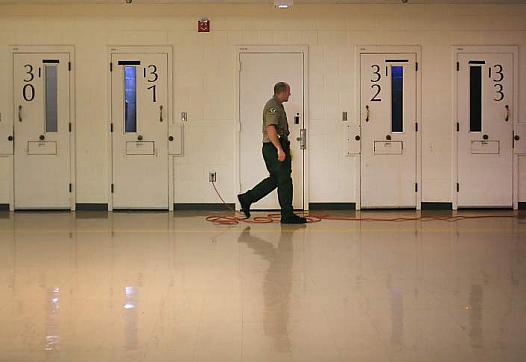
The largest psychiatric facility in Sonoma County is not a hospital. It’s the jail.
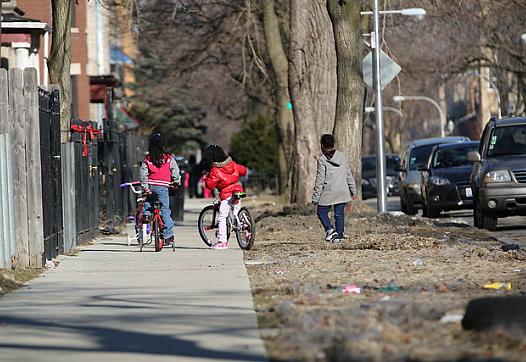
How often do young people in neighborhoods in which gang and drug violence are a daily occurrence receive help and services before they get sent to the alternative school, arrested, or worse?

An apparent link between risky behavior and bias-related bullying tends to be stronger in California’s more segregated counties.
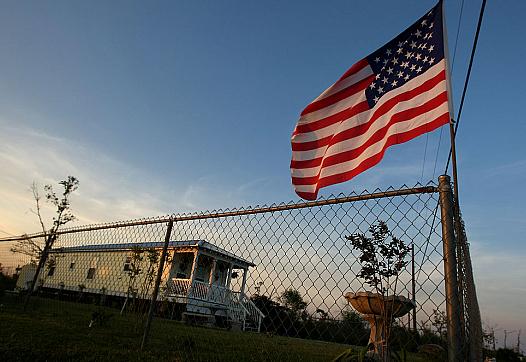
After Hurricane Katrina, Mississippi's coastal economy never fully recovered — and neither have its people.