

Image

Marisa Kwiatkowski
Investigative reporter
Investigative reporter
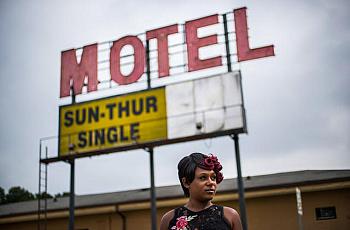
How do you know when someone is ready to be interviewed about a trauma she has endured? And what do you do if she wants to back out just before publication?
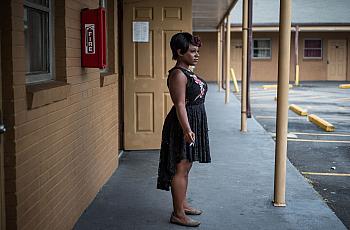
I met Ashley for the first time in March 2015 at a Noodles & Company in Indianapolis. Her adoptive father Craig Peterson had arranged the meeting. He initially reached out to me about an article I'd written, then shared bits of Ashley's story.
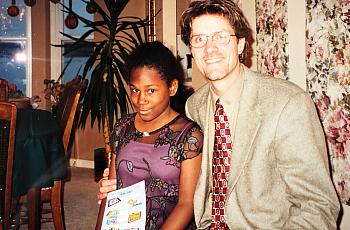
Ashley stepped out of Sandy’s red-and-white van. The 10-year-old didn’t say a word, didn’t glance back at Sandy, her adoptive mother. And she refused to meet the hazel eyes of the man waiting in front of her.
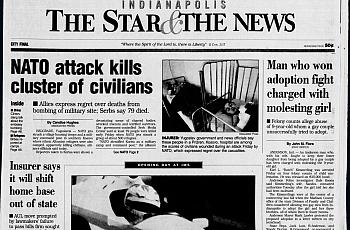
Ashley wanted the abuse to stop. But Butch, her adoptive father, was always around.
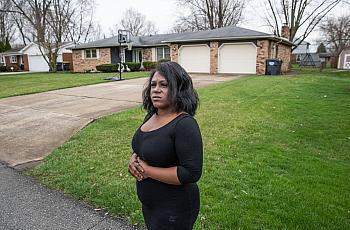
Butch and Sandy Kimmerling wasted no time. Soon after child welfare officials voted to allow a gay man to adopt the foster child who had been living in the Kimmerlings’ home for five years, Butch and Sandy contacted their pastor.
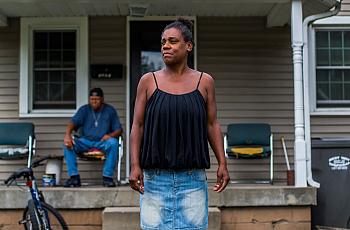
Ashley would be exploited, abused and, ultimately, abandoned by people who said they cared about her. And her invisible wounds would persist for decades.
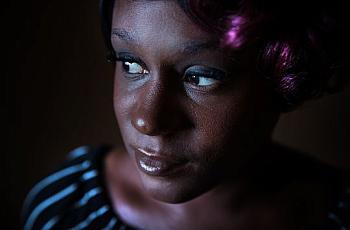
"I was the only person willing to protect me." Ashley Peterson on surviving abuse, being shamed for speaking up, and why there should be no statute of limitations.
![[Photo by Igor Spasic via Flickr.]](/sites/default/files/styles/teaser_list_thumbnail/public/title_images/unnamed_113.jpg?itok=OV1uQL5w)
At each turn, the people responsible for her safety failed her — her birth parents, relatives, foster parents, the Indiana Department of Child Services, school officials, therapists and others.