

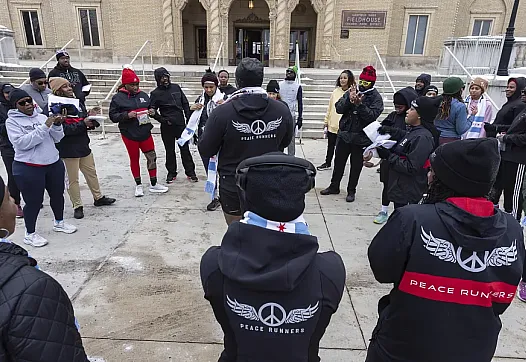
A reporter turns to data and community engagement to show what Chicago’s 20-year life expectancy gap along the Green Line means for people living in these communities.
A reporter turns to data and community engagement to show what Chicago’s 20-year life expectancy gap along the Green Line means for people living in these communities.
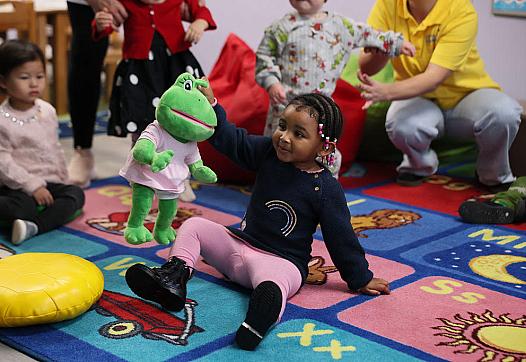
High costs and proposed federal rollbacks could deepen health inequities by reducing access to high-quality early childhood care.
Racism is a serious public health issue in the United States, and the use of racial slurs raises bigger questions about language and its effects on the health of Black and Hispanic people.
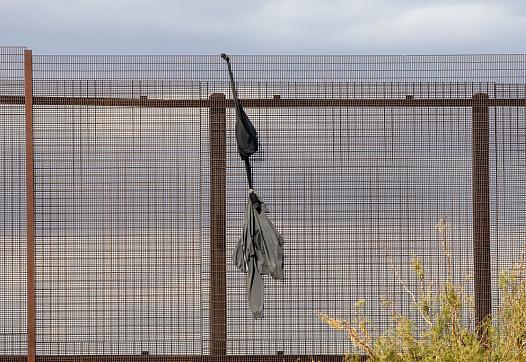
A reporting journey on migrant trauma at the U.S.-Mexico border became a lesson in persistence, access, and the unexpected turns that shape a story.
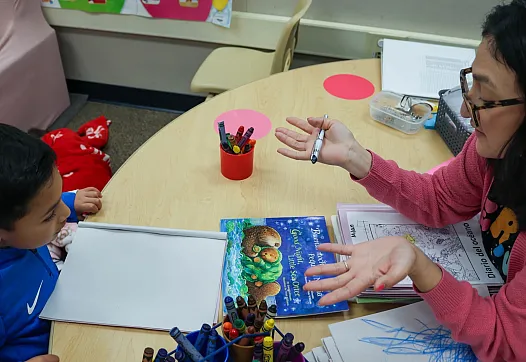
A data analysis by KVPR reveals only 13% of San Joaquin Valley school districts offer dual immersion classes at the transitional kindergarten level, despite nearly one in five Valley K-12 students being classified as English learners.
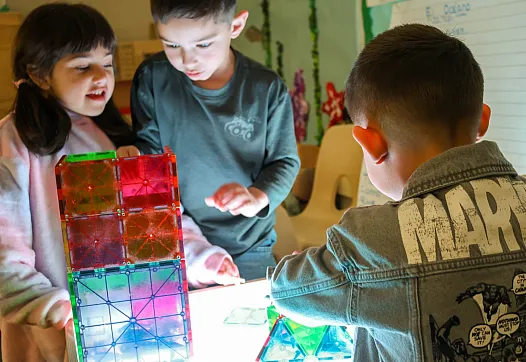
How transitional kindergarten is shaping young children in the San Joaquin Valley.
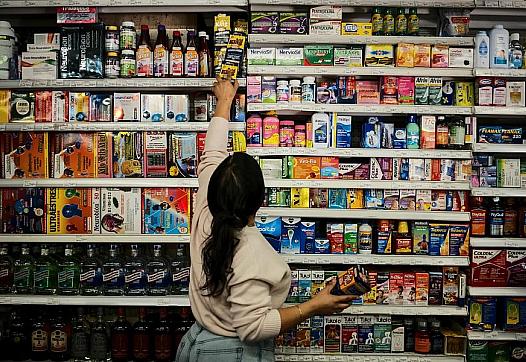
A reporter builds trust through close listening in SF's Latino immigrant community, uncovering deeper health stories on topics ranging from acupuncture to harmful supplements.
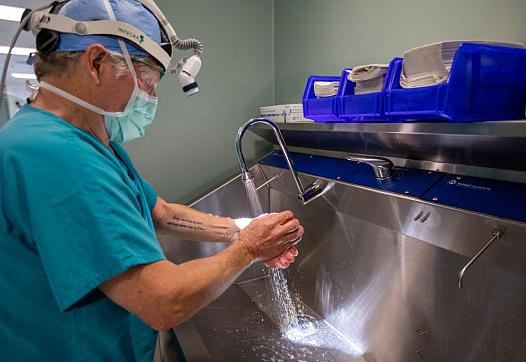
A kidney transplant survivor urges donation despite safety fears after a Times investigation sparked registry withdrawals, while reporters are urged to cover access and racial inequities.
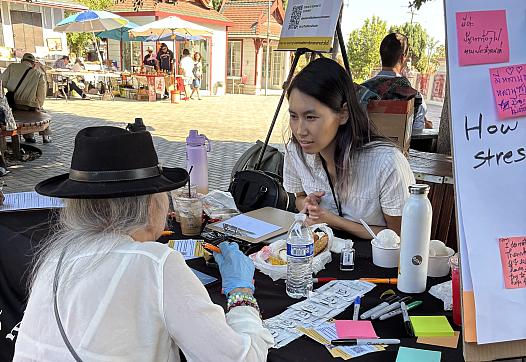
A reporter distills lessons from her community engagement approach while reporting on gaps in mental health care in LA’s Thai community.
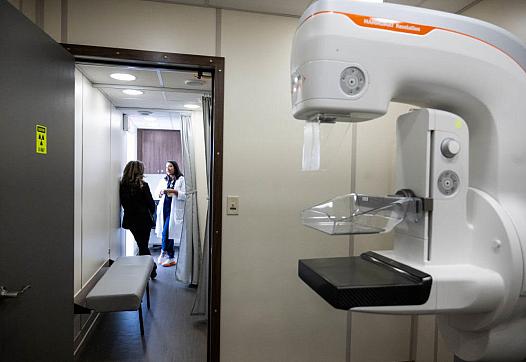
States are eliminating out-of-pocket costs for follow-up cancer tests, aiming to reduce delays, improve early detection, and address disparities in care.