

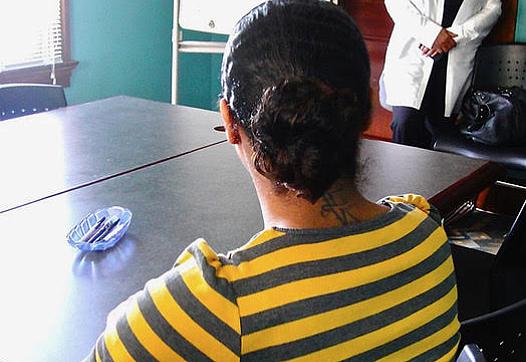
Black women make up less than 10% of Los Angeles County’s population, yet they are more likely to experience intimate partner violence than women of other racial and ethnic groups that comprise greater portions of the population. ...
Black women make up less than 10% of Los Angeles County’s population, yet they are more likely to experience intimate partner violence than women of other racial and ethnic groups that comprise greater portions of the population. ...
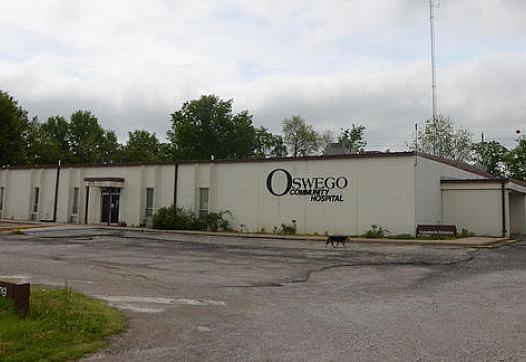
A report from The Morning Sun in Pittsburg, Kansas and GateHouse Media’s National Data and Investigations Team is a good reminder that there can be much more to these stories.
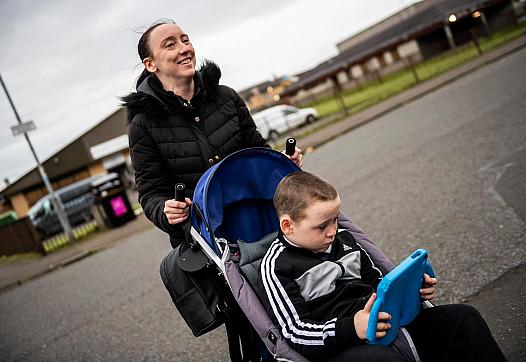
This story was produced as part of a larger project led by Rich Lord, a participant in the USC Center for Health Journalism's 2018 Data Fellowship....

Years after the National Black Women’s Health Project identified domestic violence as “the number one public health issue for women of African ancestry,” African-American women continue to be abused at disproportionately higher rates than other women and to be killed more often by a current or forme
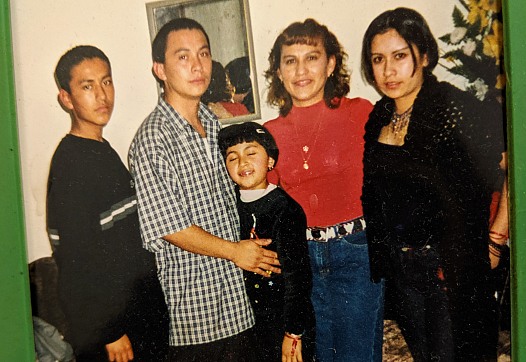
A Los Angeles reporter reflects on her own immigration story — and how 1994's Proposition 187 seeped into her family's new life in California.
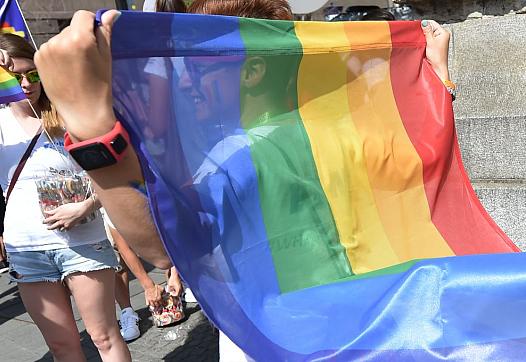
Before she began her transition three years ago, Dallas Ducar struggled with depression, anxiety, substance abuse and the profoundly unsettling sensation “that things did not feel real.”

The Courier Journal's continued coverage of food insecurity in Louisville is supported by the University of Southern California Center for Health Journalism's 2018 National Fellowship....
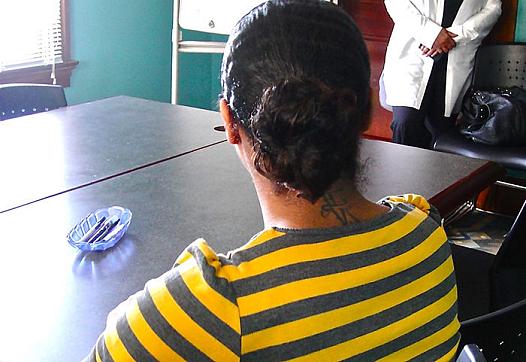
A report published by the Los Angeles County Public Health Department shows economic hardship and an inability to support one’s family because monthly earnings do not cover monthly expenses may contribute to the disproportionate rates of domestic violence toward African-American women.

When it comes to public health and environmental justice, we have yet to understand what causes a disproportionate number of asthma diagnoses and severe symptoms among Memphis children.
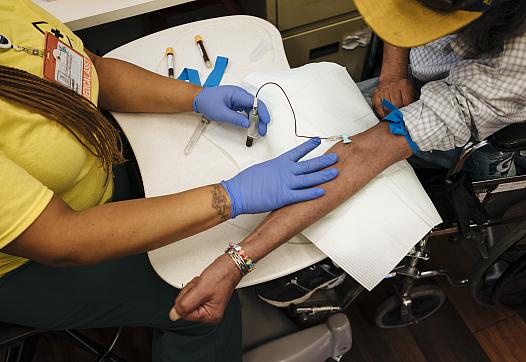
San Franicsco is pushing to be among the first cities in the world to end the transmission of HIV. But reaching those most at risk of dying will require aggressive and unconventional public health strategies.