


“We have never seen anything like this,” a longtime children's policy advocate told reporters taking part in the Center's 2025 National Fellowship.
“We have never seen anything like this,” a longtime children's policy advocate told reporters taking part in the Center's 2025 National Fellowship.
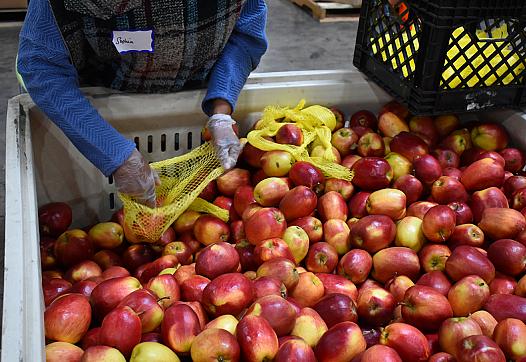
A reporter's look at food insecurity in Oakland reveals deep health impacts, community-led solutions and cuts to key programs.
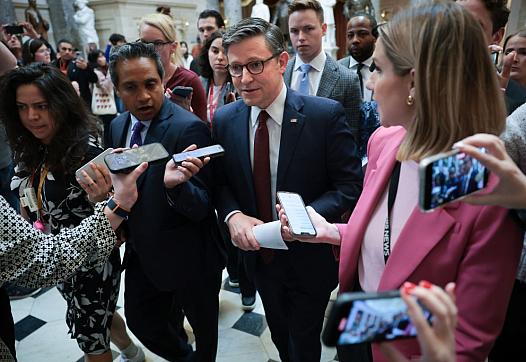
Members of the House Energy and Commerce committee are slated to begin marking up key parts of the GOP bill on Tuesday.
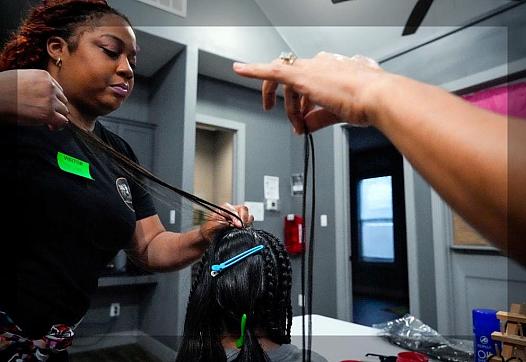
Black people’s hair has always sparked debate. But the health threat posed by popular hair products has flown under the radar, columnist James Causey writes.
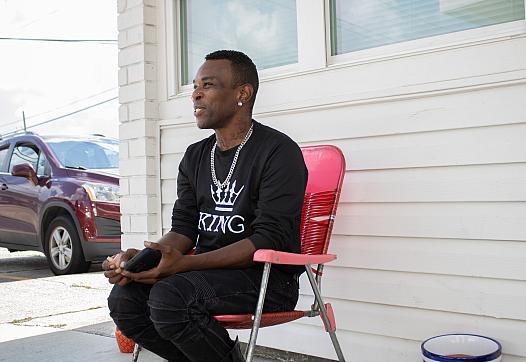
The very circumstances that made Henry Gaymon such a fitting subject for a story on mental health care also made it very difficult to report out his experience.
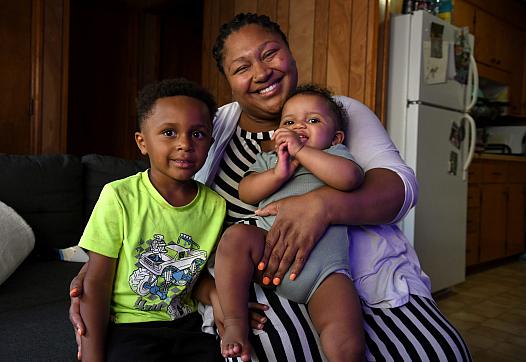
A reporter focusing on maternity deserts explains why her initial focus on solutions needed to give way to another approach — letting powerful stories stand for themselves.

Strengthening what’s known as family defense has been shown to reduce the amount of time kids spend in foster care. A reporter shares how she overcame hurdles while reporting out the story in Missouri.
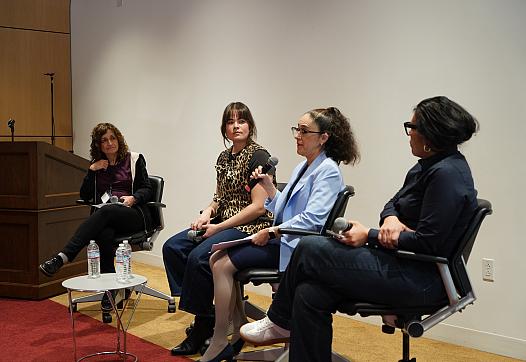
“Most of our patients have anxiety,” said Dr. Eva Perusquía, who sees patients in Califorina's Salinas Valley. “Really, it’s a consequence of the fear, frustration, exploitation, social isolation, loneliness and discrimination that they’re living.”
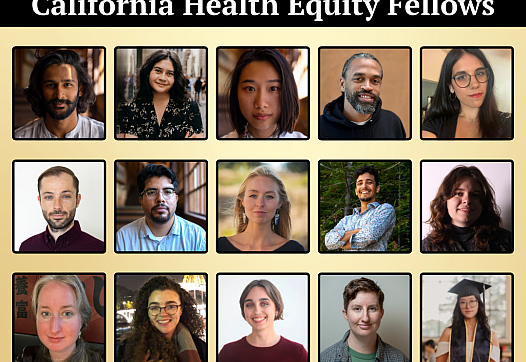
The USC Annenberg Center for Health Journalism is delighted to announce the selection of 15 talented journalists to participate in its annual California Health Equity Fellowship.

Emily Alpert Reyes of the Los Angeles Times and STAT's Usha McFarling share strategies for covering health research and disparities with context and balance.