

One force sets the Bay Area’s homelessness crisis apart: rent
The article was originally published in The Mercury News with support from our 2025 Data Fellowship

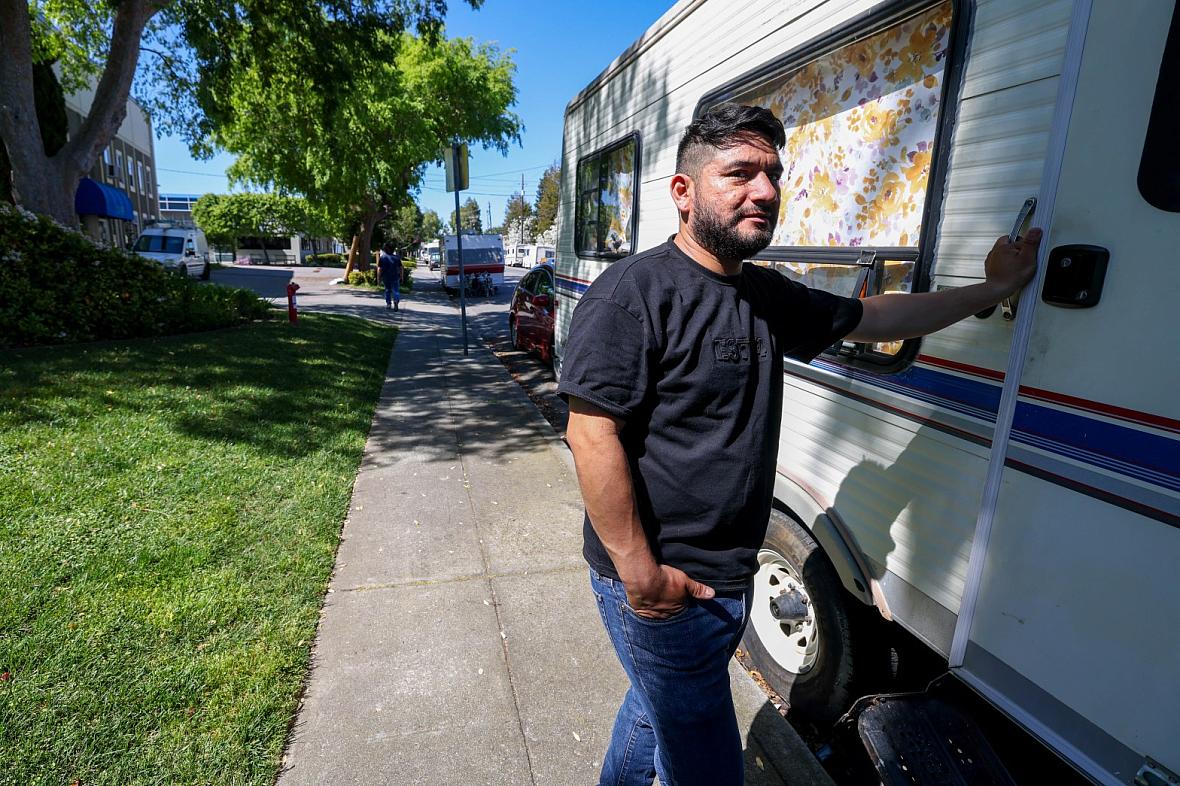
Eduardo Lopez, who has been unhoused with his wife and their kid for 3 weeks, he said, is living in a rental RV parked among dozens of RVs on Leghorn Street in Mountain View, Calif., on Thursday, March 19, 2026. Parking is difficult to find after the 72-hour parking limit expires for unhoused residents living in their vehicles around this area.
Ray Chavez/Bay Area News Group
Just across the highway from Google’s corporate headquarters, dozens of campers and RVs line a wide suburban street in the heart of Silicon Valley. A stone’s throw from the multitrillion-dollar tech giant, Eduardo Lopez has lived on the Mountain View street in a sun-faded camper without electricity or a refrigerator.
When asked how he got there, he gives a simple answer:
“It’s about the rent,” he said. “The rent is so high.”
Earlier this year, Lopez, his wife and his 6-year-old son shared a crowded apartment in Sunnyvale with as many as eight other people. But after their landlord raised the family’s monthly rent from about $1,500 to $1,800, they found themselves unable to pay and moved to the RV, Lopez said. Even as his family adapted to RV life, it didn’t erase the stress of avoiding parking tickets and the worry of being towed.
“The police come, they say you have to move,” he said. “You can’t stay in the same place.”
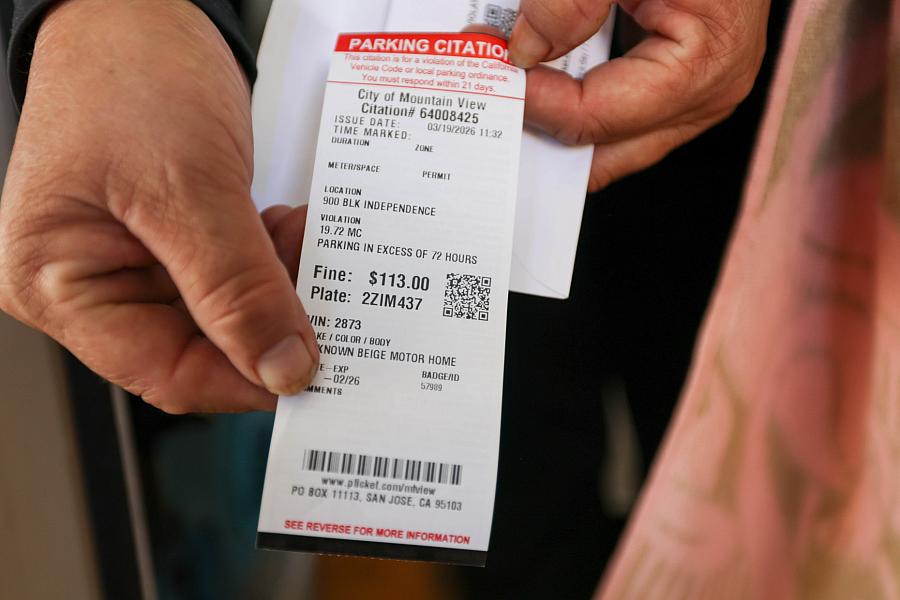
“I’m not going to eat for two days,” says Maria Galian, 58, after her RV received a parking ticket for exceeding the 72-hour limit on Independence Avenue in Mountain View, Calif., on Thursday, March 19, 2026. Galian said she used to pay $2,000 a month for a two-bedroom apartment, but her rent suddenly increased to $3,000, forcing her to live on the streets. Parking is also difficult to find after the 72-hour parking limit expires for unhoused residents living in their vehicles in this area.
Ray Chavez/Bay Area News Group
Lopez and his family are among the more than 38,000 people experiencing homelessness on the street, in tents and in shelters in the shadow of the Bay Area’s exceptional wealth. Bay Area counties have some of the highest rates of homelessness in the country: As a whole, the nine-county region has more than twice as many people experiencing homelessness per capita as the national average, and a higher average rate than the rest of California.
As public frustration over street homelessness has grown, the scale of human suffering has fueled criticism of a region known for both extraordinary wealth and progressive politics, raising an obvious question: Why is homelessness so bad here in the Bay Area?
A Bay Area News Group analysis compared Bay Area counties to 13 jurisdictions across the country, including coastal megacities, Midwestern metropolises, growing Sun Belt cities and other regions, to understand what is unique about the Bay Area.
The analysis found the Bay Area does not stand out for high levels of poverty, unemployment, substance use disorder or mental illness.
But in one category, the region was an outlier: rent. Every Bay Area county ranked in the top 1% of rental costs among counties nationwide.
Interviews with more than a dozen experts, researchers and service providers revealed a broad consensus: High rents are the clearest factor separating the Bay Area from many other regions, worsening the other pressures that can push residents into homelessness.
“When you don’t have housing that’s affordable, that’s going to hit your most vulnerable people hardest,” said Alex Visotzky, senior California policy fellow for the National Alliance to End Homelessness. “People with a substance use disorder, people with a serious mental illness or somebody with a severe disability, they’re going to struggle most to compete in a housing market that has just gotten all the more competitive.”
This is the first story in a data-driven series by the Bay Area News Group examining how homelessness in the region stands out from other parts of the country, why many usual explanations do not fully account for the extent of the region’s crisis, how homelessness differs across local counties and the ways homeless shelters help and fall short.
In the Bay Area’s urban core — Santa Clara, Alameda and San Francisco counties — homelessness rates rival those of counties containing Seattle, Portland, Los Angeles and New York City.
And this problem has been getting worse. In 2024, over 10,000 more homeless residents were counted in the Bay Area than in 2011, according to available data. While homelessness has grown across the country, the rate of homelessness in the Bay Area has risen two-and-a-half times faster than the rest of the country over that timeframe.
To help explain why the Bay Area has such an acute problem with homelessness, The Bay Area News Group analyzed local homeless estimates; rates of poverty, unemployment, serious mental illness and substance use disorder; and median rental costs for jurisdictions across the country. The analysis drew on national data from the U.S. Census, the Substance Abuse and Mental Health Services Administration and homeless population estimates released by the U.S. Department of Housing and Urban Development.
While homeless estimates sent to HUD are frequently considered an undercount, they allow for comparisons across the nation and across time. The analysis used the most recent data released by the federal government on unsheltered and sheltered homeless populations, focusing primarily on county-based jurisdictions surrounding large and mid-sized cities.
The analysis then compared data for the Bay Area to that of 13 other jurisdictions representing a breadth of U.S. metropolises, including Southern and Sun Belt hubs like Austin and Miami, large coastal cities like New York, Los Angeles, Portland and Seattle, and Midwestern cities such as Chicago and Detroit.
For most factors, the Bay Area did not stand out among its peers.
Bay Area counties have middling rates of mental illness and, with the exception of San Francisco, have below or near-average rates of substance use disorder.
In every Bay Area county, poverty was below the state and national average, with San Francisco, Marin and Solano counties ranking nearest the U.S. rate.
Over the time period analyzed, overall unemployment in the Bay Area was below the state’s rate and near the national average.
An analysis of January temperatures around the country found no clear relationship between winter weather and homelessness. For example, Miami-Dade County, with January temperatures in the mid-60s, has a relatively low rate of homelessness, while New York City and Washington, D.C., have January temperatures in the 30s and high rates of homelessness.
Additionally, surveys of people experiencing homelessness in the Bay Area suggest that most became homeless in the county where they currently live: More than 4 in 5 in Santa Clara, Contra Costa and Sonoma counties and around 3 in 5 in San Francisco and Marin counties, according to county survey data from the most recent publicly available reports.
The Bay Area did, however, stand out in one category: rent.
In the most recent census data, median rents ranged from $2,200 to $2,800 a month in the Bay Area, dwarfing the national median of $1,471.
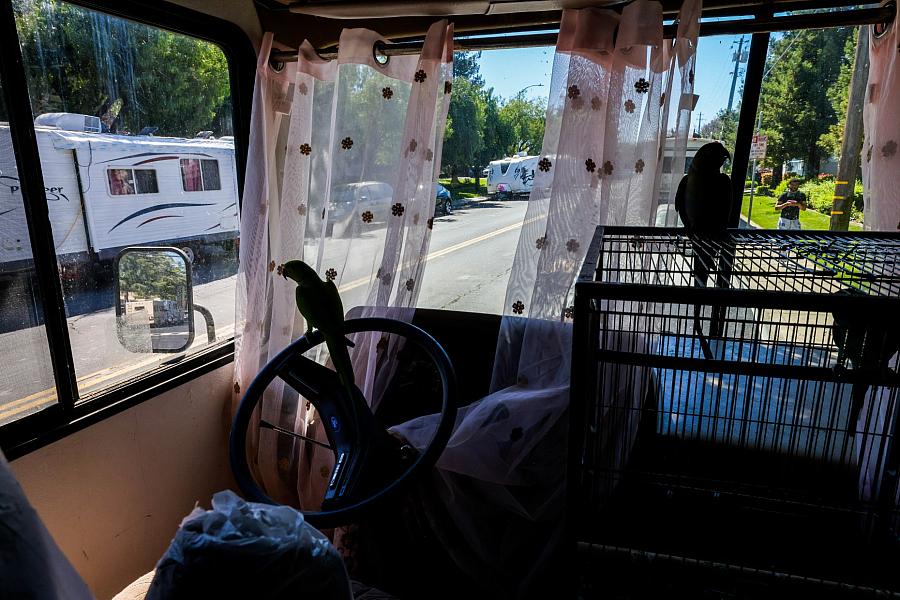
Parrots look out from the RV of 58-year-old Maria Galian, parked among dozens of RVs on Leghorn Street and Independence Avenue in Mountain View, Calif., on Thursday, March 19, 2026. Galian said she used to pay $2,000 a month for a two-bedroom apartment, but her rent suddenly increased to $3,000, forcing her to live on the streets. Parking is also difficult to find after the 72-hour parking limit expires for unhoused residents living in their vehicles in this area.
Ray Chavez/Bay Area News Group
Bay Area counties had higher rents than all of the other jurisdictions analyzed by the Bay Area News Group. This is not a recent phenomenon: With few exceptions, Bay Area counties have remained the most expensive jurisdictions out of those analyzed since 2010.
The Bay Area News Group analysis identified counties with lower rents and lower rates of homelessness, despite significantly higher rates of poverty, unemployment or behavioral health issues.
Wayne County, home of Detroit, Michigan, may be the clearest example of this phenomenon. Wayne County has double the poverty rate of the Bay Area, slightly higher unemployment, as well as higher rates of substance use disorder and slightly higher rates of serious mental illness than every Bay Area county except for San Francisco. It also has around one-fifth the homelessness rate as the Bay Area overall. Its median rent is $1,171, according to the most recent census data.
Experts and economists attribute the Bay Area’s soaring rents to decades of sluggish housing construction that has failed to keep pace with a tech-fueled economy that flooded the region with well-paying jobs. They say a combination of systemic and political forces has aggravated the problem, from neighborhood pushback on new development to longstanding local zoning restrictions and a shortage of public funding for new affordable housing.
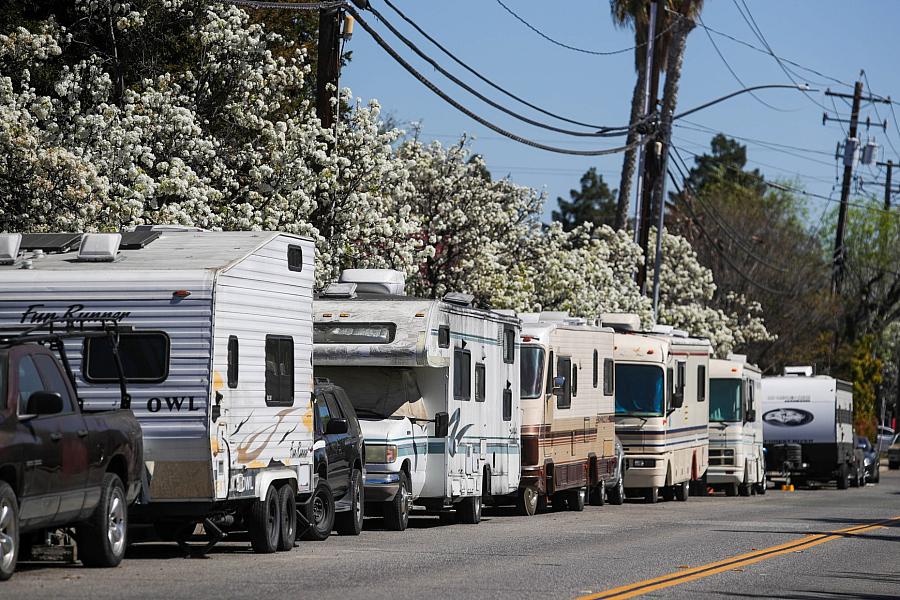
Dozens of RVs parked along Leghorn Street in Mountain View, Calif., on Thursday, March 19, 2026. Parking is difficult to find after the 72-hour parking limit expires for unhoused residents living in their vehicles in this area.
Ray Chavez/Bay Area News Group
Lopez, who lives in the RV in Mountain View, rents his camper from a friend for $700 a month, about half of what the Sunnyvale native paid for his former apartment. To afford the payments, he works part-time at a moving company and as a delivery driver. While he knows many people may believe those living in RVs use drugs or have mental health issues, he explained, “That’s not my story.”
Others living in vehicles in Mountain View also work jobs yet struggle to afford Silicon Valley’s sky-high housing costs.
That’s true of Manuel Leiva and his wife, who moved into an RV parked in the same neighborhood as Lopez after disagreements with family members forced them out of the apartment they shared in Mountain View. Leiva’s wife works as a housekeeper at a hotel in Saratoga, but severe arthritis keeps him from holding down a job.
Asked how much he thinks the couple could reasonably pay to rent another apartment, he replied, “About $500, because only she works.” According to the most recent census data, median rent for a one-bedroom in Mountain View is $2,821.
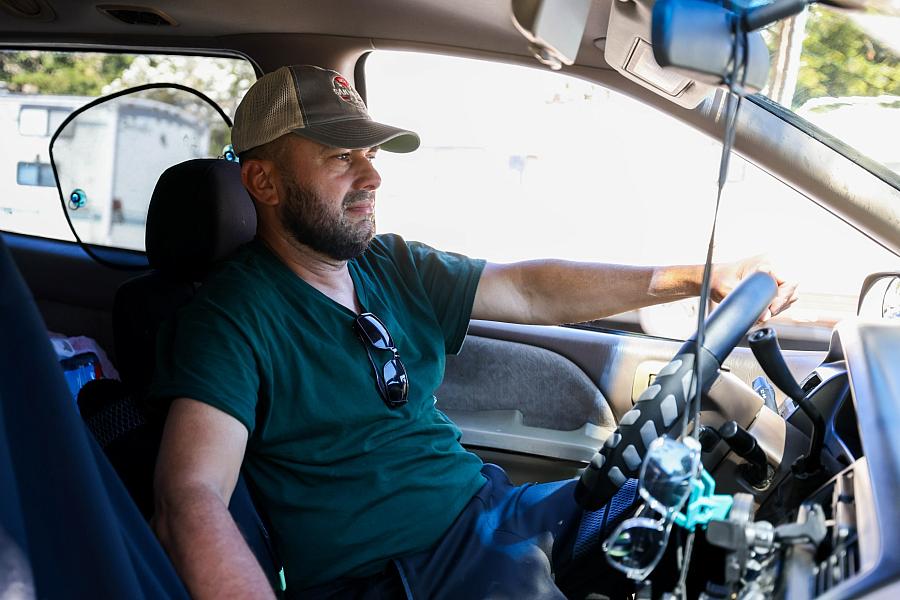
Manuel Leiva, who has been homeless with his wife for two years, looks out from his car parked among dozens of RVs on Leghorn Street in Mountain View, Calif., on Thursday, March 19, 2026. Parking is difficult to find after the 72-hour parking limit expires for unhoused residents living in their vehicles in this area.
Ray Chavez/Bay Area News Group
Drug use and serious mental illness
While many people experiencing homelessness use drugs or have mental health issues, the Bay Area generally has, with the exception of San Francisco, rates of substance use disorder or serious mental illness below or near the national average, according to federal data.
Looking at rates of serious mental illness — defined as diagnosable disorders that disrupt a person’s life and ability to function — shows that the Bay Area is below the national average rate and near the state average.
Most of the Bay Area is below the national and state average for substance use disorder — defined as the recurrent use of drugs or alcohol causing significant impairment. The North Bay — Marin, Sonoma, Napa and Solano counties — is slightly above the state and national average. San Francisco, however, has among the highest rates of substance use disorder of the places analyzed.
Alcohol use disorder follows a similar pattern: San Francisco ranks high, while the North Bay and Alameda County fall just above the national average.
While most Bay Area counties do not stand out for substance use disorder, years of research, as well as reporting by this news organization, reveal that drug use frequently factors into how people become and remain homeless, often in complex ways involving the legal system or by instigating issues with family and roommates.
Dr. Margot Kushel, who has researched homelessness at UC San Francisco for over two decades, said those who are homeless are far more likely to have used drugs than the general public. Even so, a minority of those who are homeless in California — a bit under 4 in 10 — regularly used drugs in the past six months, according to her research.
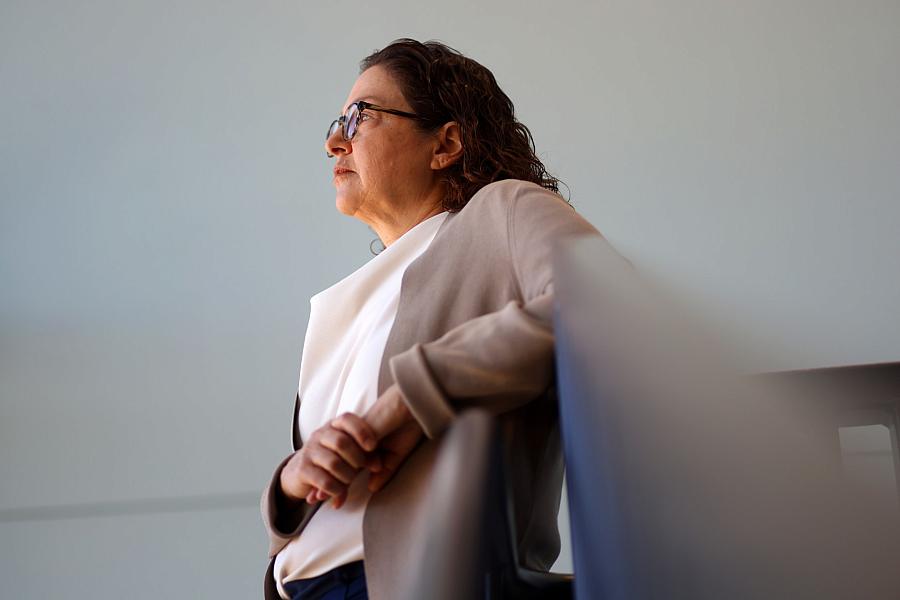
Dr. Margot Kushel the director of the UCSF Benioff Homelessness and Housing Initiative on Monday, May 18, 2026, in San Francisco, Calif.
Aric Crabb/Bay Area News Group
Her research has also found that falling into homelessness can put someone at greater risk of drug use and abuse. Those who are homeless may use methamphetamine to suppress appetite and stay alert against the threats of living on the street or opioids to cope with the emotional distress of living in homelessness, she said.
Looking at San Francisco specifically, Kushel said higher rates of substance use may play a greater role in its high rate of homelessness. While most people experiencing homelessness in San Francisco became homeless in the city, that share is lower than in several other Bay Area counties. Kushel said some people may come from nearby counties because drugs are more readily available there.
Gregg Colburn, who researches housing and homelessness at the University of Washington in Seattle, calls those who are visibly homeless and using drugs “the tip of the iceberg.”
“What (people) don’t see in The Tenderloin … is all the women and children who are in shelter, the people living in their cars, who are showering at the YMCA and going to work,” said Colburn.
The ‘tightrope walk’ of high rent
While the Bay Area stands out most for its high rent, experts interviewed for this story did not say rent was the only factor driving homelessness. Instead, they said high rent makes challenges such as mental illness, low income and drug use more likely to push people past the brink.
Colburn has looked extensively at the different factors affecting homelessness, analyzing homelessness data for 29 of the largest metropolitan areas across the country in his 2022 book “Homelessness is a Housing Problem” with Clayton Page Aldern. His research looked at a broad slate of factors — including rates of substance use and mental illness — and found little to no relationship between these factors and homelessness rates. Instead, he found that the best predictor of homelessness among those cities is rent.
“If you’re in a really cheap location, like West Virginia, you can struggle with addiction, struggle with mental health, but still manage to get the money to pay for rent and squeak by,” said Wayne Winegarden, an economist with the free-market think tank Pacific Research Institute in Pasadena. “Whereas in California, that margin for error is really, really thin.”
Researchers also point to those on fixed incomes, such as disability or Social Security, noting that while some states do supplement this income, it does not scale with the cost of living in a region. According to a 2022 analysis by the New York Times, the average Social Security benefit covered 90% of the cost of living in West Virginia. In San Francisco, that figure was 38%.
“People walk a tightrope,” said Vivian Wan, chief executive of Abode Services, a Bay Area homelessness nonprofit. “And they fall off the tightrope because it’s so thin.”
Solutions
To alleviate the crisis, experts pointed to treatment, permanent housing and shorter-term, emergency interventions.
Across the board, experts and advocates agreed that access to mental health and addiction services needs to be significantly expanded to help address homelessness. But some differ on how best to offer treatment — and whether it should be a requirement to access housing or shelter.
While economist Winegarden maintains treatment is absolutely essential, housing is fundamental, because even if a formerly homeless person has recovered from their addiction after treatment, “they’re still going back into this environment where one slip-up and they could be back on the street.”
In the long term, experts said it’s critical to build more affordable housing for low-income residents at greater risk of homelessness, as well as market-rate homes to bring supply in line with demand and lower overall costs.
Colburn, the housing researcher, argues that rapidly building housing — a long-term challenge in the Bay Area — has helped other burgeoning knowledge economies keep their rent and homelessness relatively low. He points to Austin, Texas, and the “research triangle” in North Carolina — both of which have seen a growing number of tech jobs and companies, but have built housing rapidly.
From 2015 to 2024, Austin built housing at triple the rate of the rest of the country, enough that rents actually fell over the last five years, according to Pew. Both Travis County, home to Austin, and Wake County, home to Raleigh, North Carolina, have a fraction of the Bay Area’s homeless population per capita.
Several counties in the Bay Area have also bolstered their supply of permanent supportive housing — units that provide affordable housing with support services. These units can offer an option for those who might not be able to manage finding and keeping their housing without help.
Many experts argued that more immediate solutions are also essential. These can take the form of emergency rental assistance programs, which provide those at risk of homelessness with an infusion of cash to help them remain housed. Others argue shelters offer a safer place to live that connects residents with the resources to get treatment or housing, even as those in shelters are still considered homeless.
None of those interviewed contended that a single solution would fix the problem.
“Everybody needs to leave their hubris at the door,” Winegarden said, noting that issues of affordability, mental health and addiction each play their role in the ongoing crisis. “It is all interlinked. You need to address all of those aspects in order to get out of it.”
But as leaders work to find solutions, homeless residents like Lopez continue struggling to make their way back into housing.
Lopez said he was trying to save what money he could while considering whether to look for an apartment in Tracy — more than an hour from his job in Silicon Valley — or another more affordable city on the outskirts of the Bay Area, away from his friends and relatives. He said not having electricity or a way to store food was wearing on him and his family, as was needing to go to his mother’s home in Sunnyvale to shower or use the bathroom.
“It’s hard,” he said. “If I don’t want to live like that, I have to find an apartment.”