

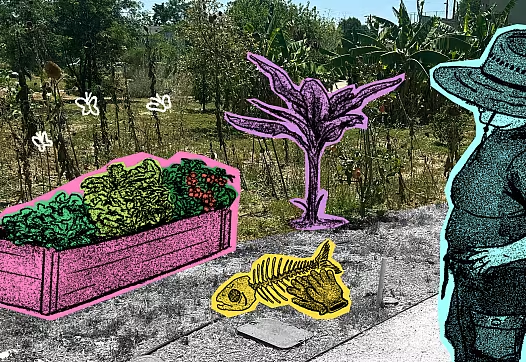
A DIY guide for LA residents on lead-contaminated yard soil: how to test, when to clean up, covering soil, additives, and why sunflowers won't fix it.
A DIY guide for LA residents on lead-contaminated yard soil: how to test, when to clean up, covering soil, additives, and why sunflowers won't fix it.
Metal recycling hubs, battery recycling plants and airports all help make lead contamination a stubborn LA County problem.
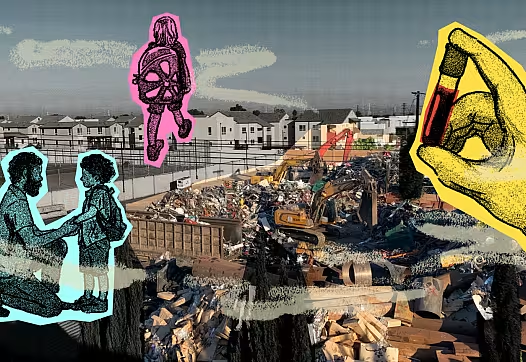
Thousands of children might be exposed to lead levels high enough to cause IQ loss without their parents knowing. Health experts call the testing rates “alarmingly low.”
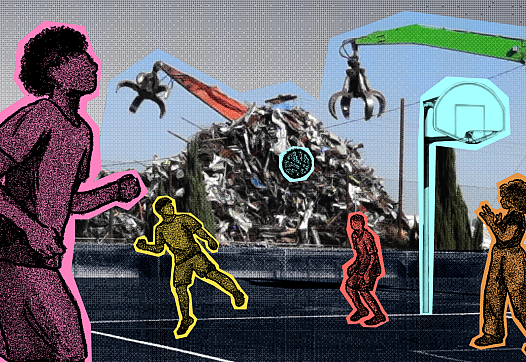
Three separate Atlas explosions and cancer risks the LA County DA’s office calls 48-times above health standards threaten the Watts school.
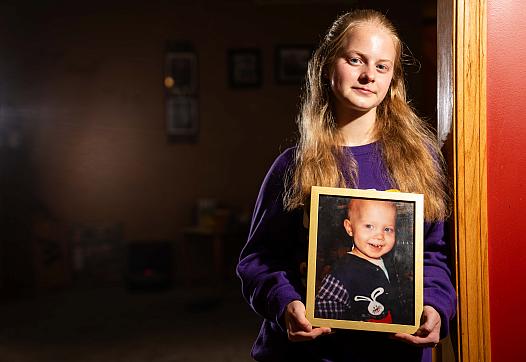
Ophelia is among the roughly 150 Iowa children and teenagers diagnosed with cancer in an average year, upending families while doctors still struggle to explain the causes.
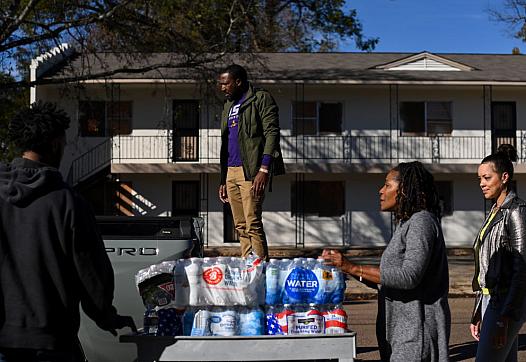
Studies find that communities of color and low-income areas face more drinking-water violations and longer waits for fixes.
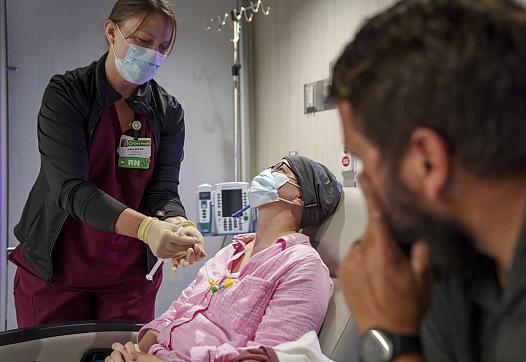
Across rural Iowa, a “sleeping giant” is stirring as families confront the grief and unanswered questions of a deepening cancer crisis.

Communities of color and low-income communities have long faced disproportionate exposure to highways, power plants and other sources of industrial pollution.
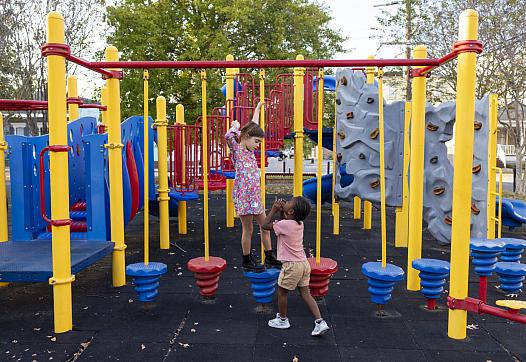
New Orleans’ top health official says the city is requesting $5 million in federal funds to address lead in playgrounds.
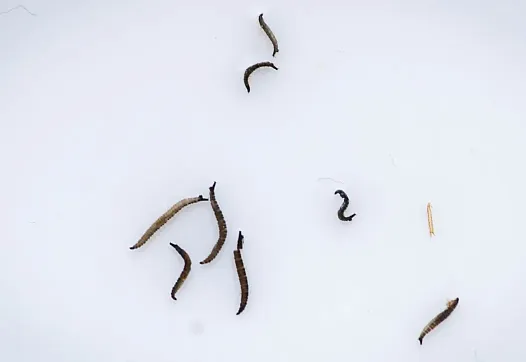
Allegations of contaminated drinking water come weeks after a federal judge ordered immediate improvements to the immigration detention center