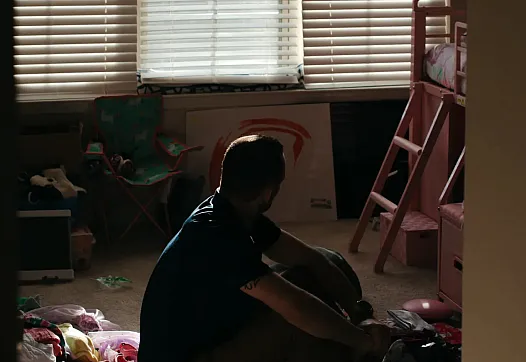
For people in treatment for substance use disorder, the weeks and months after Hurricane Helene unraveled lives they’d spent years rebuilding.
For people in treatment for substance use disorder, the weeks and months after Hurricane Helene unraveled lives they’d spent years rebuilding.
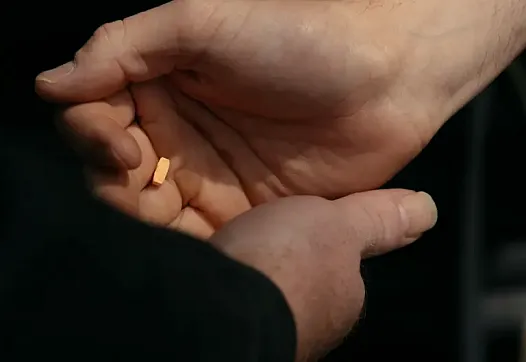
Harm reduction groups and health care workers helped avert the worst. But what about the next emergency?
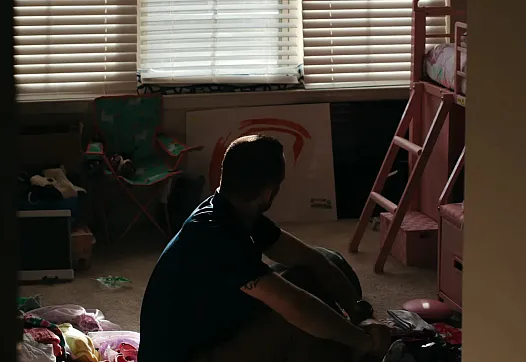
Recovery from substance use disorder requires community. What happens when a disaster tears that apart?
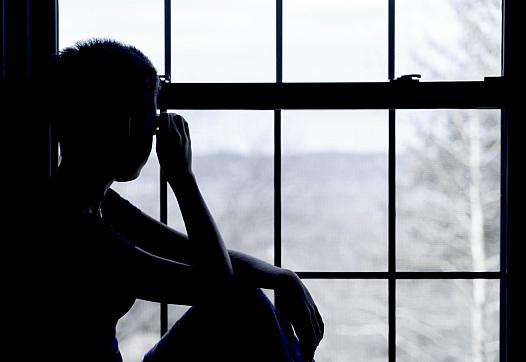
The disparities become even more alarming when looking at transgender and nonbinary youth.
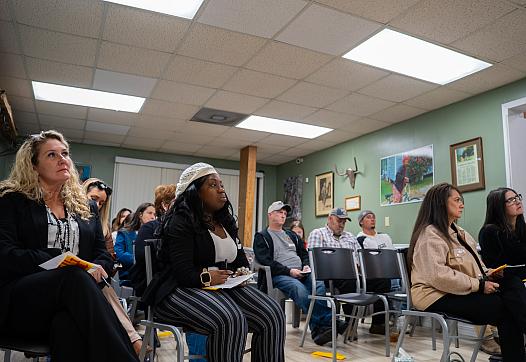
A reporter drives 5,500 miles across Mississippi and gains a fresh appreciation for journalism that's accountable to the people whose lives it documents.
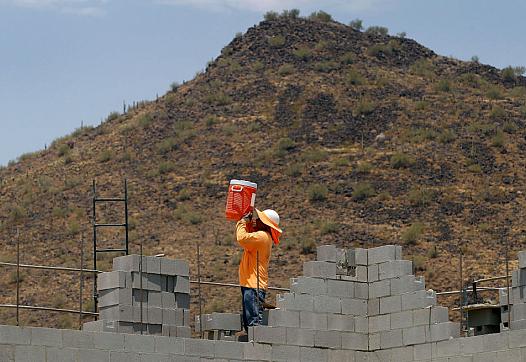
Arizona lacks workplace heat safety rules, leaving outdoor workers at risk of death as climate change worsens extreme weather events. A reporter combines data, public records and worker voices to highlight the danger.
For residents in heavily surveilled neighborhoods, the cameras come with a cost that goes beyond privacy.
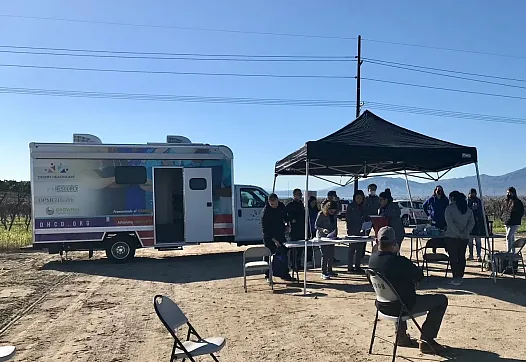
Fears over ICE raids and looming Medicaid changes are pushing Coachella Valley health organizations to move care onto private property, Zoom, and other more channels to keep undocumented and immigrant patients connected to services.