

TV medical dramas have long provided a powerful lens for examining real-world emergency care, highlighting iconic Black actors and critical health care realities.
Health Equity & Social Justice
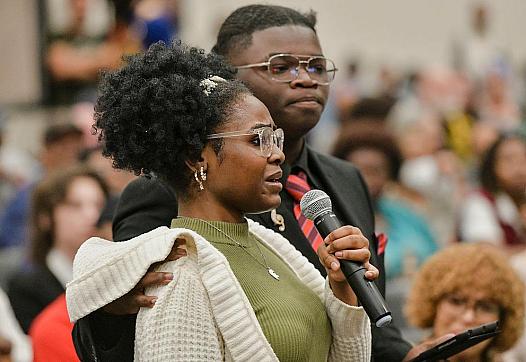
Communities of color and low-income communities have long faced disproportionate exposure to highways, power plants and other sources of industrial pollution.
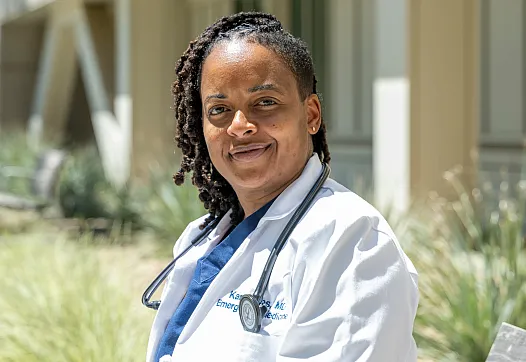
UC Davis ER physician Kara Toles discusses confronting bias in care while advocating for health equity and training colleagues to recognize prejudice.
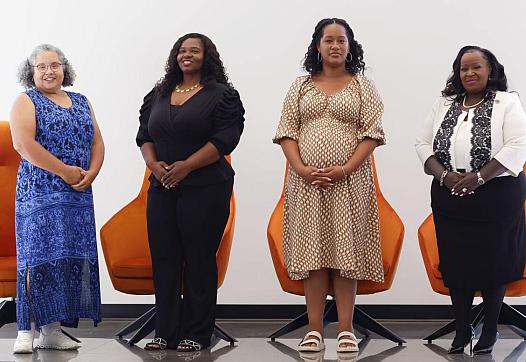
Wisconsin lawmakers have put forward bills to reduce the state's high Black infant death rate, but the Legislature hasn't taken them up.
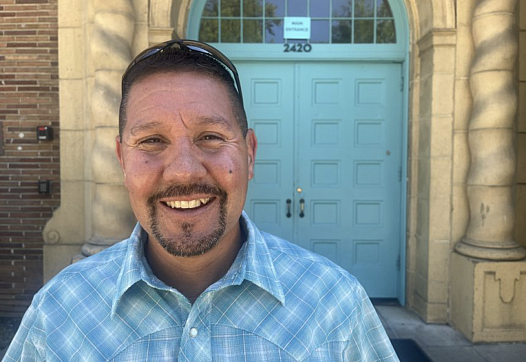
J Vasquez spent 25 years incarcerated for gang violence rooted in childhood trauma. Now 49, he's healed, works as CURYJ's Policy Director, and helps writes laws to help others come home.
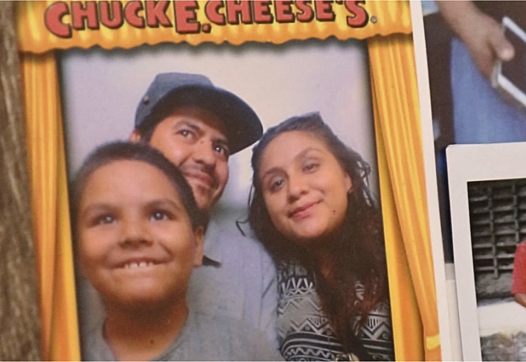
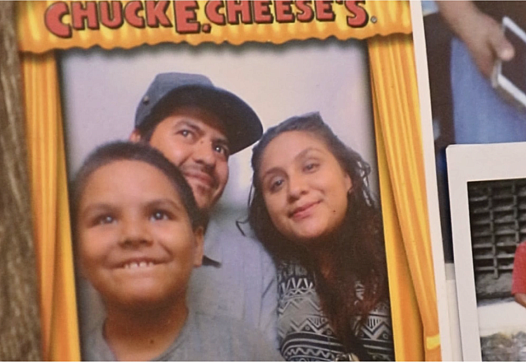
A Watts family endures 6 months of separation after ICE detains devoted father of four, José Padilla, straining finances, mental health, and the children's wellbeing.
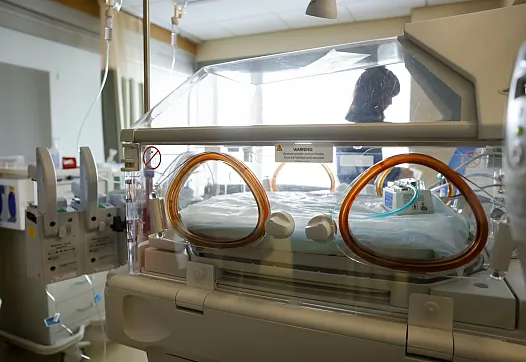
Researchers and health experts point to the cumulative effects of systemic racism, chronic stress and generational trauma that shape maternal health long before pregnancy begins.
From early heart surgery to blood plasma preservation and vaccine research, Black medical pioneers helped reshape emergency care despite systemic exclusion.
Nichelle Nichols’ estate won a $13 million wrongful-death verdict over claims that failures at a New Mexico emergency room led to the “Star Trek” icon’s death.