

11 Books On Race, Bias, And Emergency Medicine To Read
The story was originally published in The Observer with support from our 2026 California Health Equity Fellowship.


To better understand the systemic issues, implicit biases and historical context driving the inequities examined in my “State of Emergency” series, I’ve compiled a list of essential reading. These books offer critical insights into the realities of Black patients and practitioners in emergency medicine, providing a powerful complement to my reporting. Whether you’re looking to deepen your grasp of these challenges or seeking pathways toward equity, these titles are vital resources for staying informed while engaging with this series. I also asked the local Black bookstore, Underground Books, to recommend a few good reads. Some suggestions already were on my radar, others weren’t.
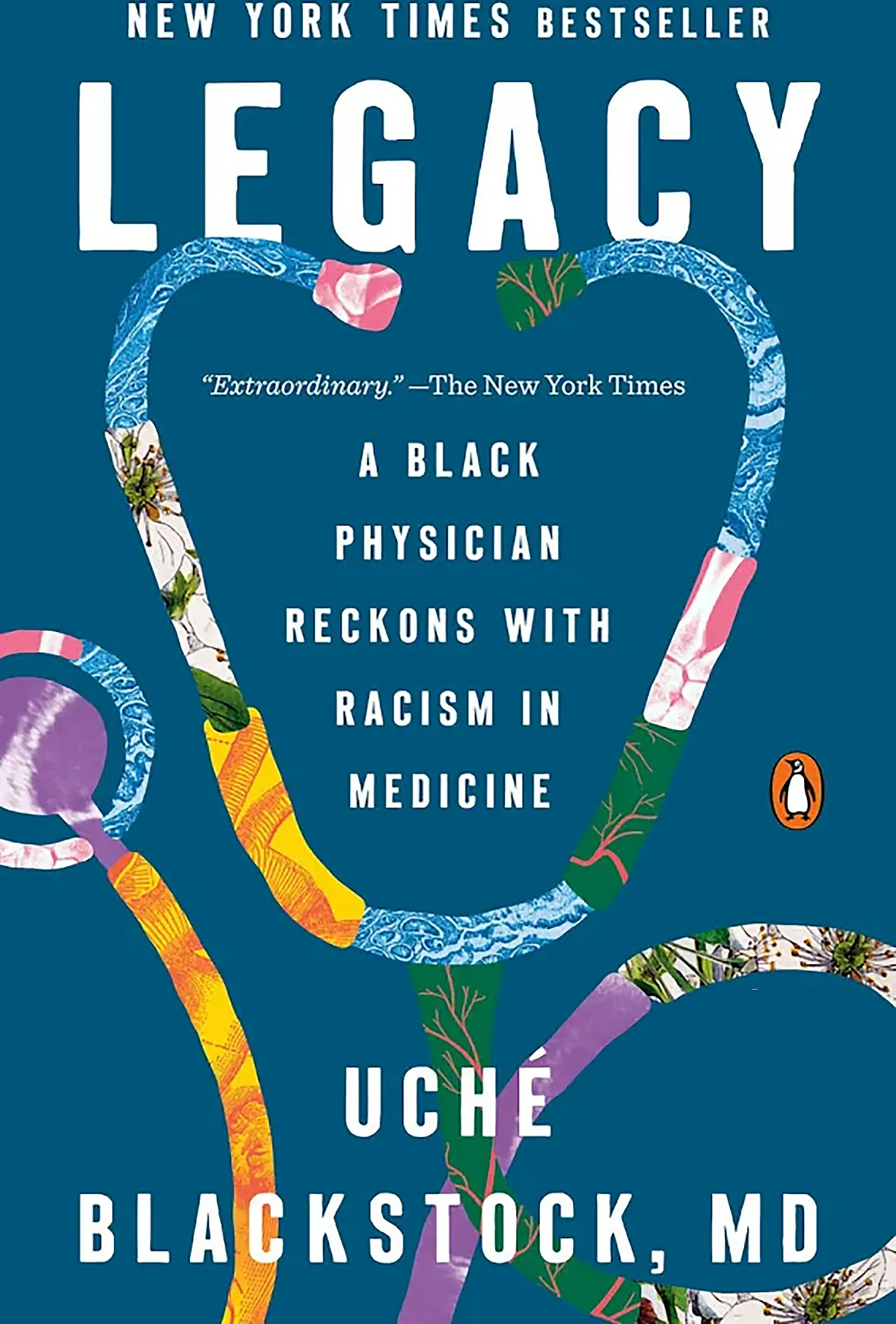
- “Legacy: A Black Physician Reckons with Racism in Medicine,” by Dr. Uché Blackstock, is a powerful memoir by a Black emergency medicine physician who exposes systemic racism in American health care. The author explores her own family legacy in medicine and highlights how marginalized communities, particularly Black urban populations, heavily rely on emergency rooms for care due to systemic barriers.
* Additional recommendation by Underground Books
- In “Treating Violence: An Emergency Room Doctor Takes On a Deadly American Epidemic,” Dr. Rob Gore frames violence as a critical public health crisis, sharing powerful, firsthand accounts from the ER that highlight the struggles of victims and survivors.
- In “American Sirens: The Incredible Story of the Black Men Who Became America’s First Paramedics,” Kevin Hazzard chronicles the remarkable and often overlooked history of Freedom House Ambulance Service. Emerging in 1960s Pittsburgh, this pioneering, all-Black team established the blueprint for the modern paramedic model, overcoming intense systemic racism to transform emergency medicine.
- In “Black Man in a White Coat: A Doctor’s Reflections on Race and Medicine,” Dr. Damon Tweedy shares personal reflections on how race and bias shape health care. His experiences illuminate the complex social forces affecting Black patients, offering critical insight into the realities of emergency medicine.
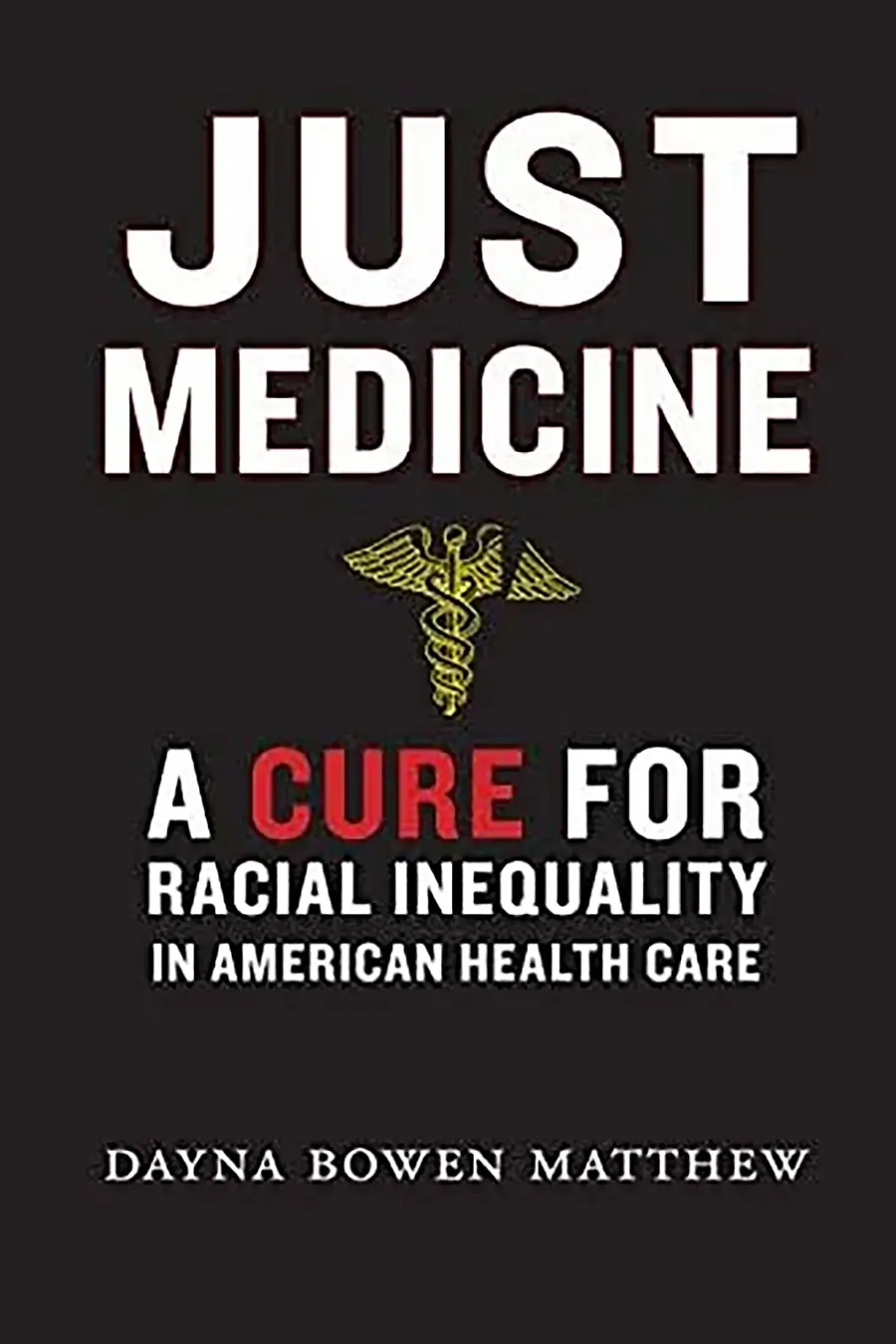
- In “Just Medicine: A Cure for Racial Inequality in American Health Care,” legal scholar Dayna Bowen Matthew investigates the health disparities contributing to more than 84,000 annual preventable deaths among Black and brown Americans. The book details how unconscious racial bias persists in clinical settings, profoundly affecting patient care in emergency rooms.
* Additional recommendation by Underground Books
- “Medical Apartheid: The Dark History of Medical Experimentation on Black Americans from Colonial Times to the Present,” by Harriet A. Washington, explores how the medical system has historically treated African Americans.
* Additional recommendation by Underground Books
- In “Killing the Black Body: Race, Reproduction, and the Meaning of Liberty,” Dorothy E. Roberts examines the historical and systemic regulation of Black women’s reproductive autonomy and traces how American law and social policy have controlled Black reproduction from the era of slavery to the present day.
- Dr. Thomas Fisher, an ER working on the South Side of Chicago, chronicles a year of trauma, gun violence and the COVID-19 pandemic in “The Emergency: A Year of Healing and Heartbreak in a Chicago ER.”
- “The Beauty in Breaking: A Memoir,” by Dr. Michele Harper, addresses the biases in American health care and how one ER physician navigates her patients’ healing and her own.
- In “Medical Bondage: Race, Gender, and the Origins of American Gynecology,” Deirdre Cooper Owens argues that 19th-century American gynecology was built on the exploitation of enslaved Black women and poor Irish immigrants. Often labeled as “medical superbodies,” these women were subjected to experimental surgeries that advanced the field while cementing racist and sexist ideologies. The book illuminates how systemic bias was foundational to the specialty, creating theories that persist today.
* Recommended by Underground Books
- “The Price of Exclusion,” by journalist Nicole Carr, uncovers the untold history of Black medical professionals who have fought to heal their communities while confronting systemic exclusion. Through the story of her great-grandfather, a physician who persevered against segregation and erasure, Carr reveals how discriminatory policies have shaped today’s health inequities and lingering distrust in medicine.
*Recommended by Underground Books