

An ER Nurse On Why Black Representation Builds Trust
The story was originally published in The Observer with support from our 2026 California Health Equity Fellowship.

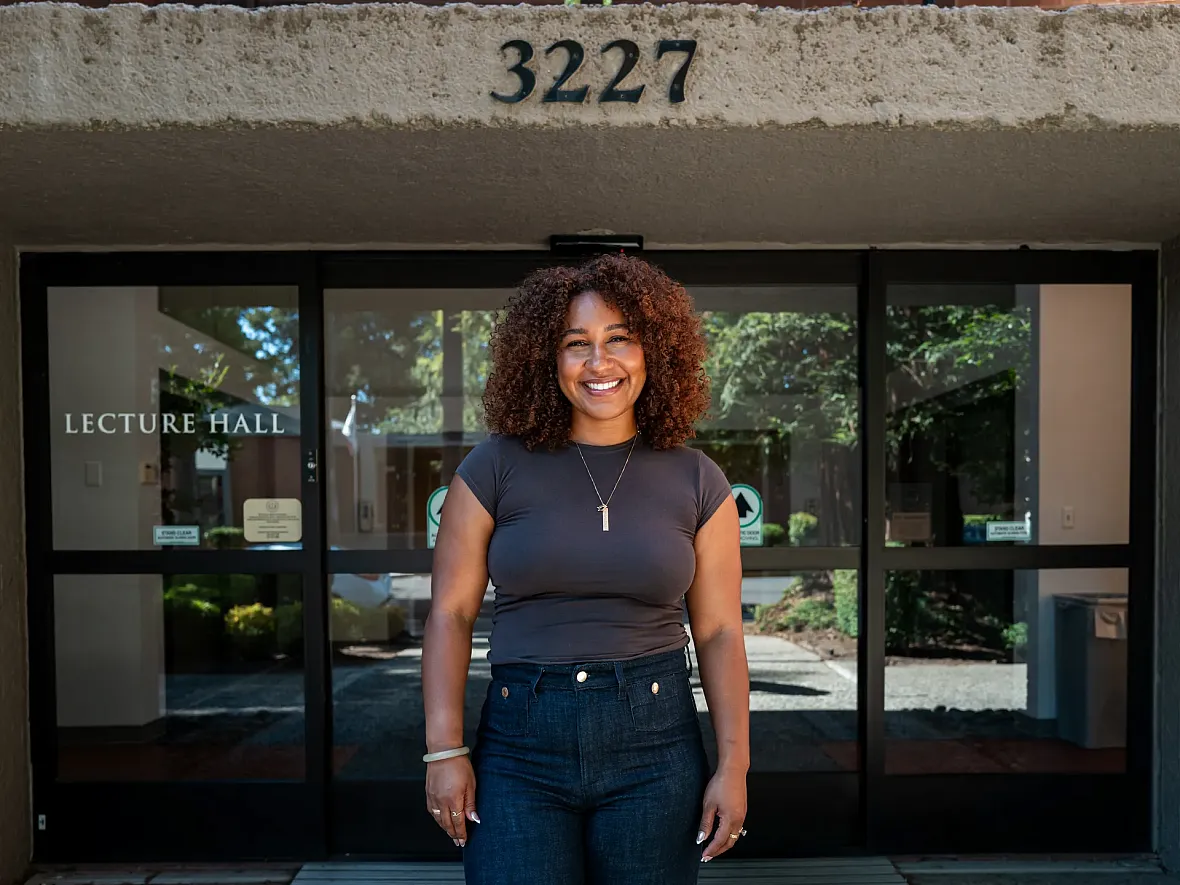
Anisa Keahualani Nesbitt, MSN, RN, PHN, CEN, helps train future nurses as a clinical instructor at University of the Pacific.
Louis Bryant III, OBSERVER
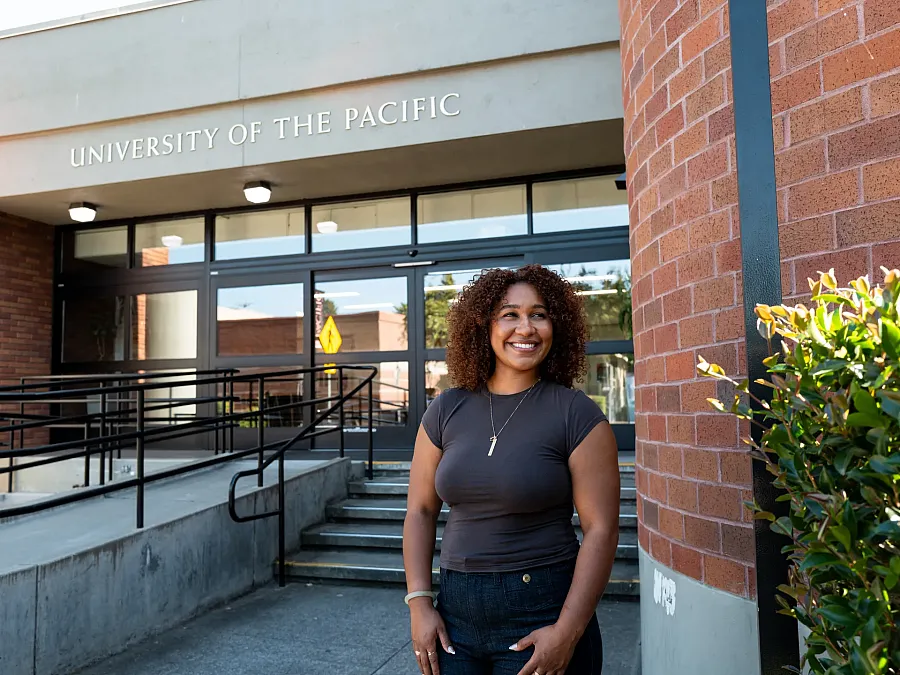
As an ER nurse at UC Davis Medical Center, Nesbitt, 27, navigates a high-stakes environment where she is often one of the few faces that mirror the communities she serves.
Louis Bryant III, OBSERVER
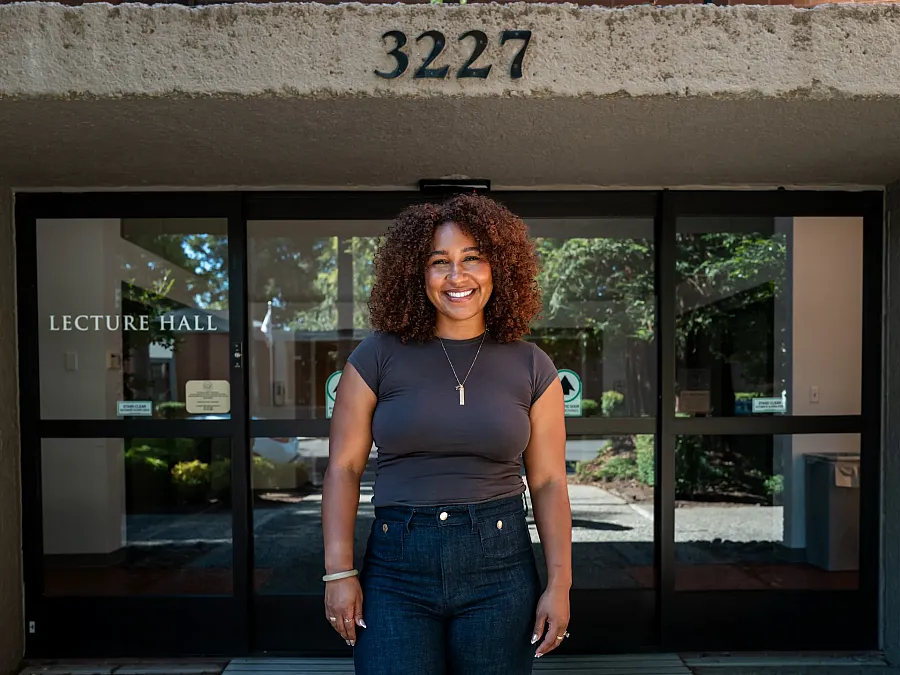
Anisa Keahualani Nesbitt, MSN, RN, PHN, CEN, helps train future nurses as a clinical instructor at University of the Pacific.
Louis Bryant III, OBSERVER
For Anisa Nesbitt, the emergency room is not just a workplace; it is a complex theater of life, death and human vulnerability.
As an ER nurse at UC Davis Medical Center, Nesbitt, 27, navigates a high-stakes environment where she is often one of the few faces that mirror the communities she serves. Yet, across both her clinical practice and her teaching role at University of the Pacific (UOP), she sees a stark lack of Black representation among both practicing nurses and those entering the field.
“When you don’t see yourself represented in the workforce, you don’t even see the career as an option,” says the Antelope native. “I’ve never had a Black nurse or even had an aide take my blood pressure that was Black. You just don’t see it and I think because of that, there’s just people not interested in it.”
Nesbitt’s journey into health care was serendipitous.
“I kind of fell into it,” she admits. With no family members in nursing, the career path wasn’t initially on her radar. That changed in high school, thanks to an anatomy and physiology teacher who encouraged her interest in science and helping people.
Today, Nesbitt is an advocate for the next generation, balancing her grueling ER shifts with a role as a lab instructor at UOP’s Sacramento campus in Oak Park. She is keenly aware that her students — many of whom are not Black — will enter a workforce where implicit bias can dictate quality of care. She teaches them basic nursing skills, but wants them to also see the bigger picture.
“Unfortunately, there’s not many Black nurses, so sometimes I think people don’t even realize their own biases, and it just happens, and I want them to be prepared,” Nesbitt says.
The Realities Of The ER
The emergency department is a pressure cooker. Nesbitt describes typical shifts as constant, chaotic and demanding, complicated further by the increasing burden of mental health crises and the struggles of unhoused patients.
“You have to start thinking of that — food resources, financial stability, housing stability, transportation,” she says. “It’s so tough to be worried about myself, about how I’m doing as a nurse, but then also how this person is just going to get their basic necessities.”
People in the ER frequently take out their frustrations on nurses, as they’re often the first faces they see after waiting for long periods.
“Nurses get the brunt of it all the time,” Nesbitt says. “But I think ER nurses overall have developed a certain boundary for our own protection in how we respond to people. Responding also with that same [attitude] doesn’t help anybody at all.
“The most important thing that I always try to remember for myself is that their anger is usually coming from a place of fear, mostly,” Nesbitt continues. “Sometimes when they’re so anxious and frustrated, it’s because they’re scared about whatever they just came in for, they have no new information on anything, and so when people do come at me with that information, I’m very transparent saying, ‘OK, let’s go through your chart. Let’s see what’s happening.’”
There are some things she must leave to a doctor to discuss, but that approach typically diffuses potentially chaotic situations. Sometimes, the need for representation becomes not just a matter of comfort, but of clinical urgency.
Nesbitt recalls an encounter with a patient who, visibly distressed and deeply distrustful of the white staff on duty, explicitly requested to be seen only by Black providers.
Recognizing the patient’s acute apprehension, a non-Black nurse asked Nesbitt to facilitate her care, joined by a Black resident and technician. The patient immediately calmed down, allowing the team to provide necessary treatment within two hours. Nesbitt is convinced that had they not been there to bridge that gap, the situation likely would have escalated.
While noting that non-Black staffers generally respond with aplomb and acquiesce to these demands, she emphasizes that having a Black team on staff that evening was critical in turning a potentially volatile encounter into a seamless visit. This moment underscored for Nesbitt how crucial a diverse health care team is, not only for patient trust but for the safety and efficacy of the ER environment.
Cultural Dynamics
Every July, a new group of inexperienced doctors starts training at the teaching hospital. Because these residents are learning, Nesbitt uses this time to help guide them. When she has a concern, she speaks up — not to argue or challenge, she says, but to ask questions that ensure the patient’s well-being is always the top priority.
When she questions a doctor’s approach, Nesbitt prioritizes a respectful, inquisitive dialogue — asking, ‘What are you seeing that I’m not?’ — to understand their clinical reasoning rather than simply confronting them.
She acknowledges that emergency medicine often can come with substantial egos, but remains firm that such self-importance must never overshadow the patient’s safety. While nurses are often expected to maintain a “gentle touch,” Nesbitt isn’t afraid to push back when necessary, insisting that whether it’s a veteran attending or a new trainee, everyone must remember that the patient, not the hierarchy, is the true priority.
Nesbitt emphasizes that the work of a nurse is not just medical, it is profoundly human. When it comes to cultural competency, she believes in the necessity of leaving one’s biases at the ER doors.
“I think we’re trying to get better, but I think those implicit biases just come in,” she says. “But I feel like if we all check that bias and just leave it at the door — it’s there, but it doesn’t mean it should change how you try to approach everything with patients that you interact with.”
These challenges in cultural competency are occurring against a backdrop of increased scrutiny regarding how medical institutions build their future workforce.
The Trump-led Department of Justice recently found that the UC Davis School of Medicine violated Title VI by favoring Black and Hispanic applicants in its 2023-2025 admissions cycles. It’s a finding the university strongly disputes, defending its process as individualized and essential for serving California’s diverse, underserved populations. As federal scrutiny over race-conscious admissions intensifies, institutions are navigating a legal landscape that threatens to complicate long-standing efforts to diversify the health care workforce, even as advocates maintain that representation remains a critical factor in delivering equitable patient care.
For Nesbitt, every patient — whether dealing with a routine primary care need or life-threatening trauma — deserves a provider who prioritizes their humanity. As she continues to teach, she holds onto the hope that the next generation of nurses will see the importance of mindset.
“When people come in, it’s their world that I’m stepping into,” she says.