

Black Medical Pioneers Who Reshaped Emergency Care
The story was originally published in The Observer with support from our 2026 California Health Equity Fellowship.

African American physicians and scientists have contributed to countless medical advances that have helped all of humankind. They achieved these breakthroughs despite systemic exclusion and discrimination, demonstrating their resilience and unwavering commitment to patient care and medical advancement.
In 1893, Chicago’s Dr. Daniel Hale Williams achieved a medical milestone by performing one of the nation’s earliest successful open-heart surgeries, setting a new standard for emergency cardiac intervention. Facing systemic exclusion from mainstream institutions, Williams founded Provident Hospital, the country’s first Black-owned medical facility. This pioneering institution not only provided inclusive care for diverse patients but also became a vital training hub, hosting the nation’s first school for Black nurses and advancing the careers of countless African American interns.
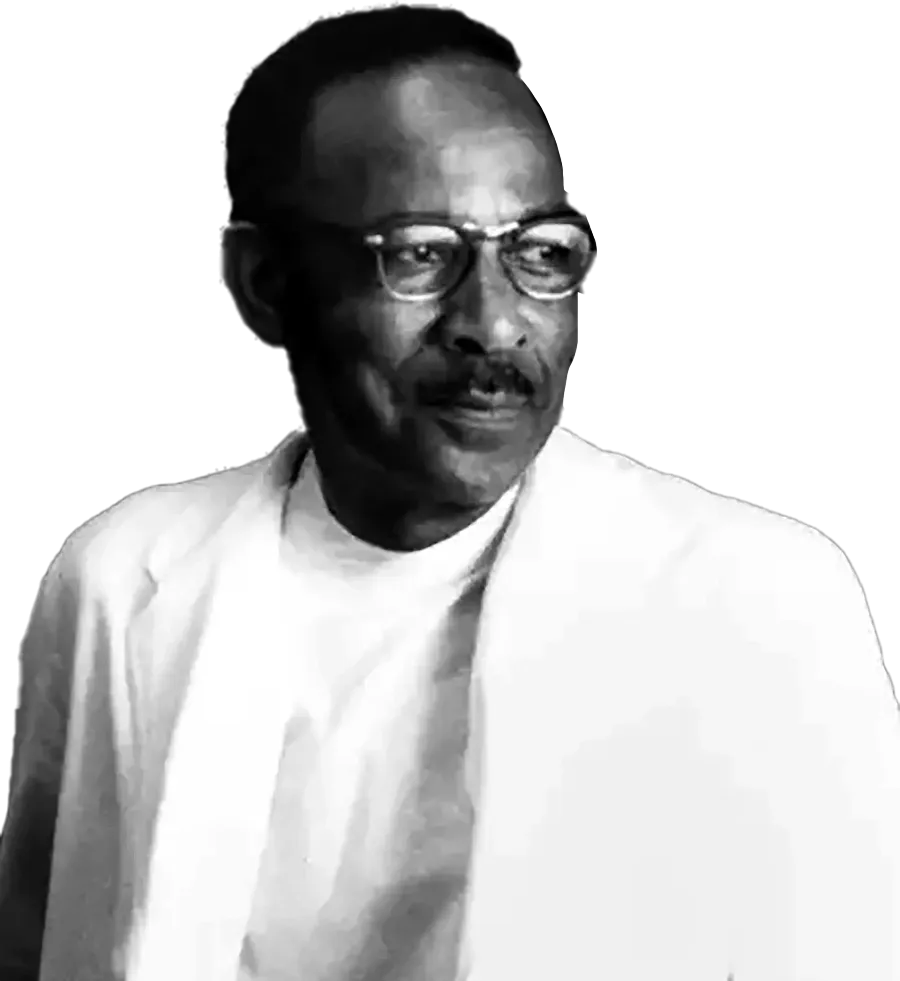
Vivien Thomas
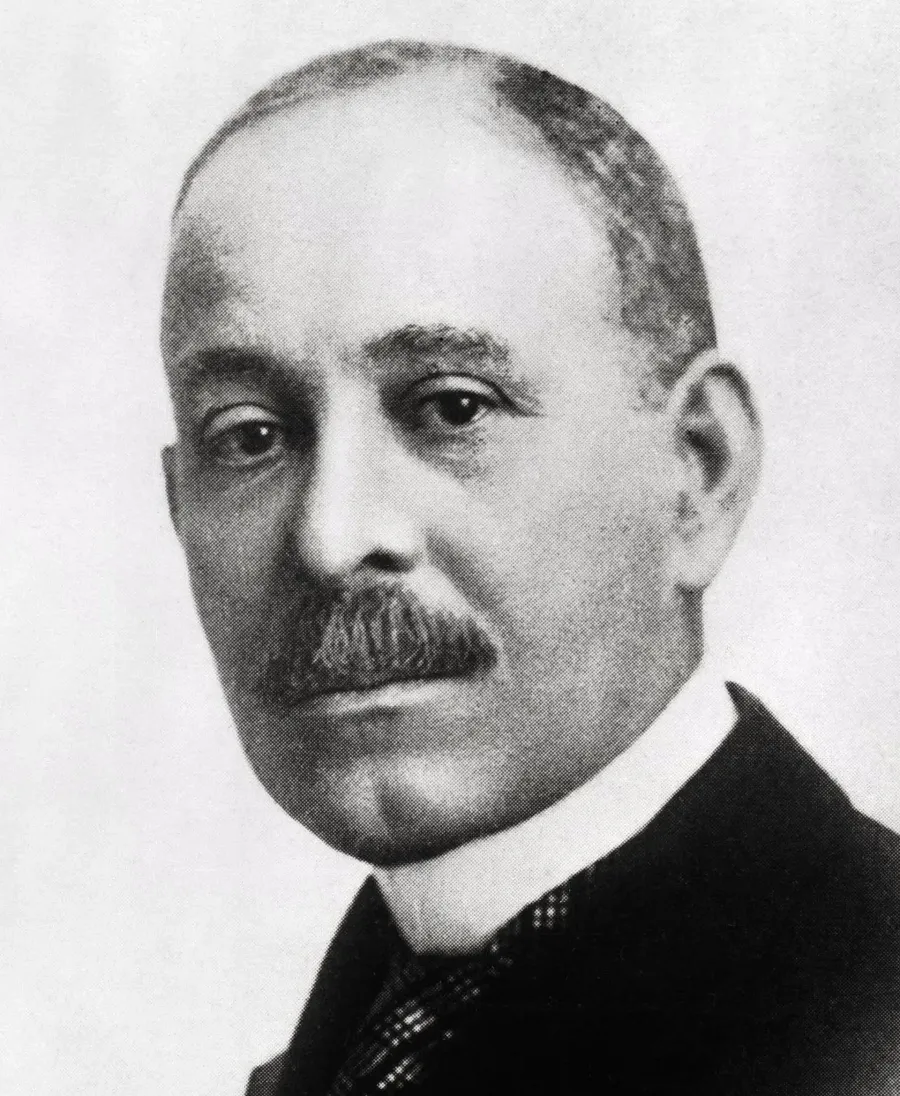
Dr.Daniel Hale Williams
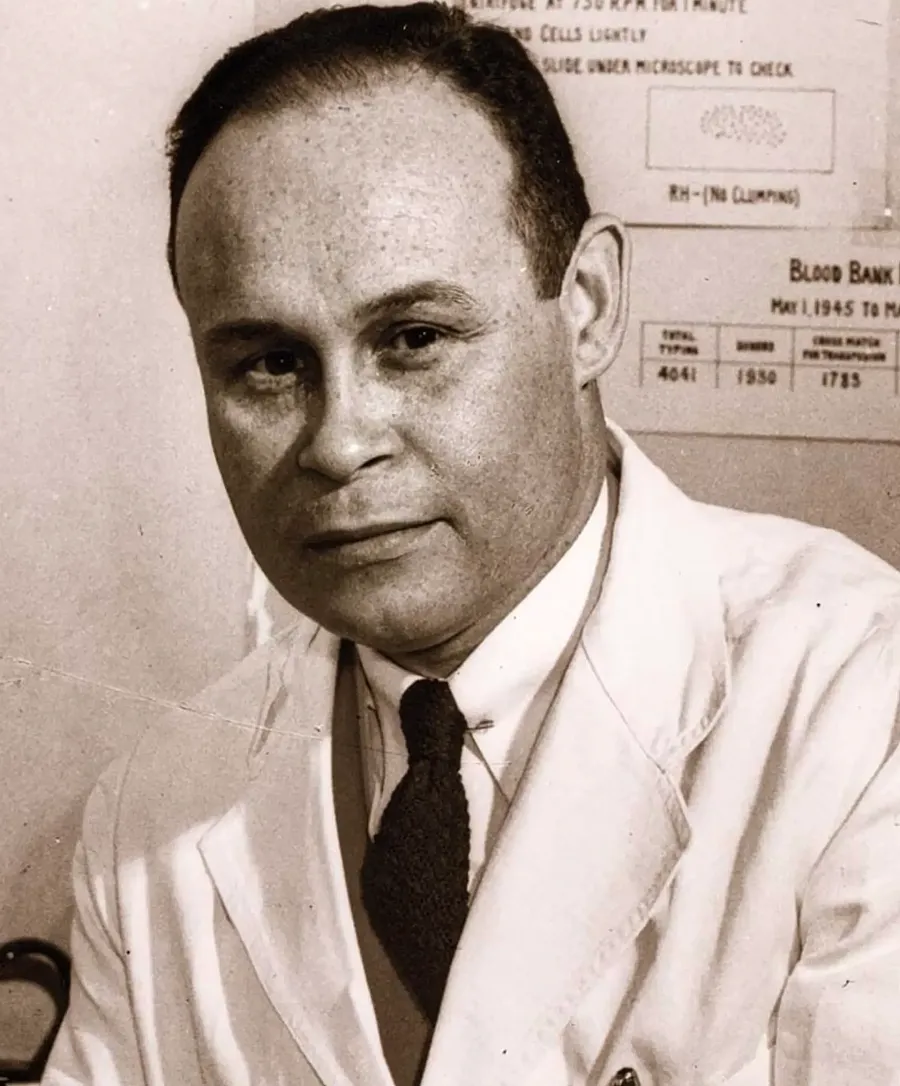
Dr. Charles Drew
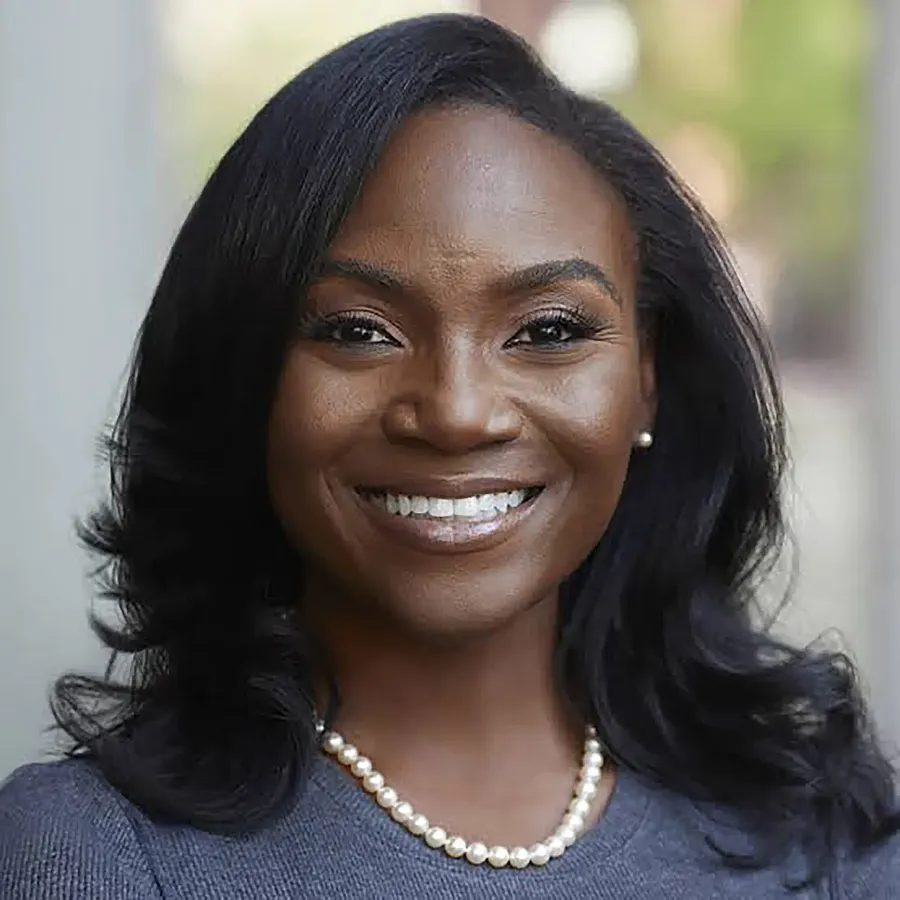
Dr. Kizzmekia Corbett
Black surgical technician Vivien Thomas helped revolutionize modern surgery while collaborating with surgeon Dr. Alfred Blalock at Vanderbilt University starting in the 1930s. Their pioneering treatments for traumatic shock and the first successful open-vessel heart surgeries fundamentally transformed emergency care for critically ill trauma victims. Rapper-actor Mos Def received an Emmy nomination for portraying Thomas in the critically acclaimed 2004 film “Something the Lord Made.”
In the late 1930s, surgeon and medical researcher Dr. Charles Drew revolutionized emergency medicine by developing a pioneering method for long-term blood plasma preservation. His innovations fundamentally changed emergency response capabilities and made large-scale blood transfusions a reality.
More recently, Dr. Kizzmekia Corbett, a lead scientist at the National Institutes of Health, played a pivotal role in developing the Moderna COVID-19 vaccine, one of the first authorized by the U.S. Food and Drug Administration. Her groundbreaking research was instrumental in mitigating the intense strain the global pandemic placed on emergency departments.