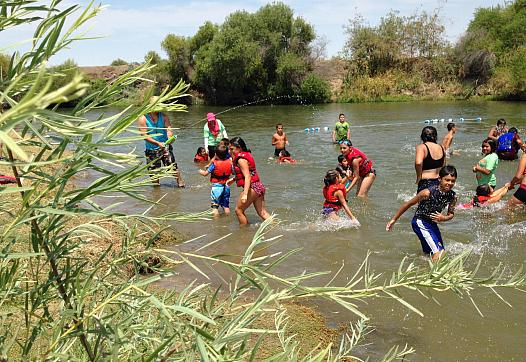
The hardest part of reporting on the health implications of Central Valley rivers was not the research or content, but finding the right characters for the stories. In the end, a radio reporter discovered the best way to find the characters that brought his stories to life was on the river itself.
Environment & Climate
"Sure, I knew hundreds of residents died in homicides or were hurt and even disabled during assaults,” said McDaniels. "But I wondered if there was something deeper going on that needed to be explored.”
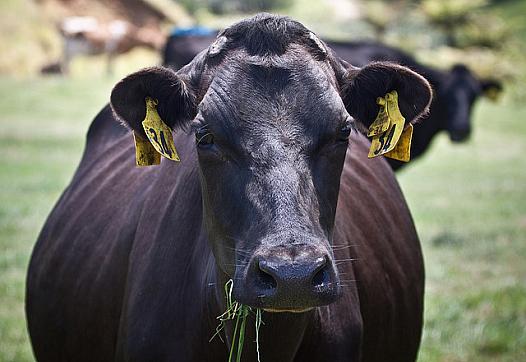
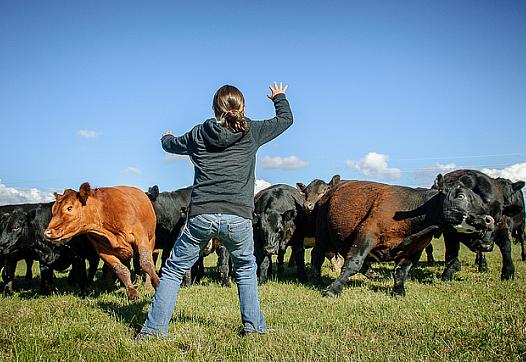
Leah Beth Ward's sustained reporting in The Yakima Herald-Republic on the impacts of Washington’s dairy industry has helped spur important changes. In the second half of our Q&A, Ward discusses the reaction to her series, both from the industry and the broader community.
The Yakima Herald-Republic has an august history of reporting on Washington's dairy industry and its effects on health. Contributor William Heisel interviews the paper's Leah Beth Ward about her reporting on the impacts of such dairies, which has helped prompt new court rulings.
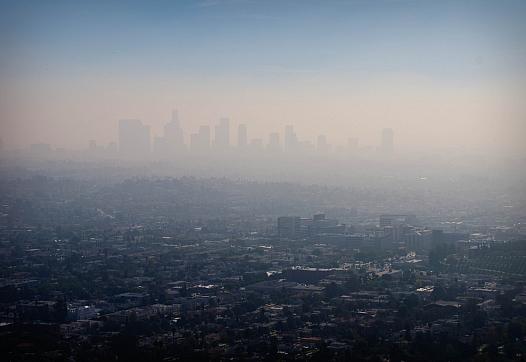
A new study of kids in the Los Angeles basin found that as air quality “improved dramatically” in recent years, so did the capacity of children's lungs. The study's attributes the gains to more stringent emissions standards. But can the air quality gains continue amid a resurgent economy?
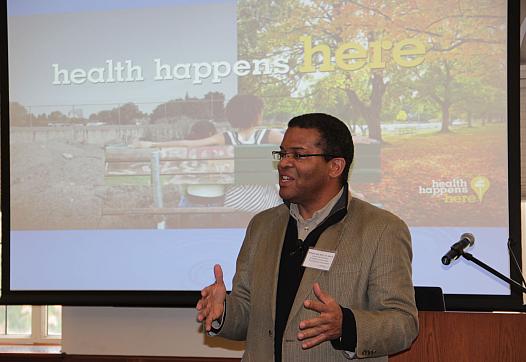
“Health care is what happens when things go wrong,” Dr. Anthony Iton says. “Health care doesn’t actually make you healthy — it prevents you from deteriorating rapidly.” The broader forces that really shape health, he argues, are what journalists and policymakers should really be focusing on.
My project will compare the health status of Valley Latinos living in a handful of urban communities to those living in rural towns.
As the calendar winds to a close, it’s worth taking a quick look back at some of the research from the past year that enlarged our understanding of the ways in which early childhood exerts an enduring influence on lifelong health.
A reporting trip that set out to investigate the causes behind a mysterious childhood cancer cluster turned into a valuable lesson in embracing a truer kind of complexity — not the twists and turns of a mystery novel’s plot, but the unpredictable emotions that guide real people’s lives.
By 2012, when I started my fellowship project, several journalists -- in Philadelphia and nationally -- had written extensively about the “built environment,” food deserts and healthy food access. For my project, I looked to answer the question: “What else in a neighborhood matters to health?”