

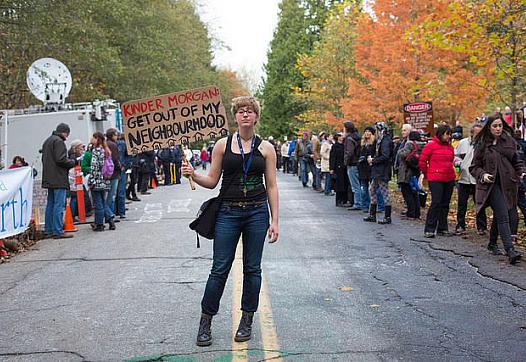
Bay Area refineries are gearing up to receive and process a growing volume of tar sands and heavy crude oils. What does this mean for the health of residents in the region?
Bay Area refineries are gearing up to receive and process a growing volume of tar sands and heavy crude oils. What does this mean for the health of residents in the region?
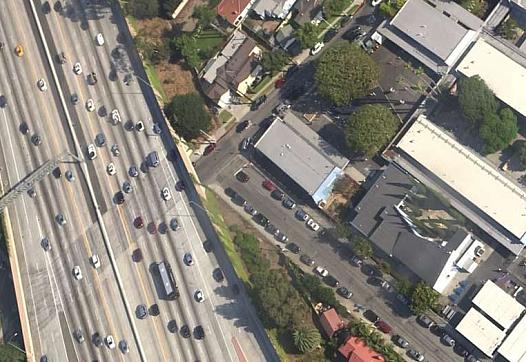
Across the country, in big cities and small towns, kids attend schools so close to busy roads that traffic exhaust poses a health risk.
Hopkins reported this story with the support of the Dennis A. Hunt Fund for Health Journalism and the National Fellowship, programs of the University of Southern California Center for Health Journalism.
Other stories in the series include:
America’s super polluters
The invisible hazard afflicting th
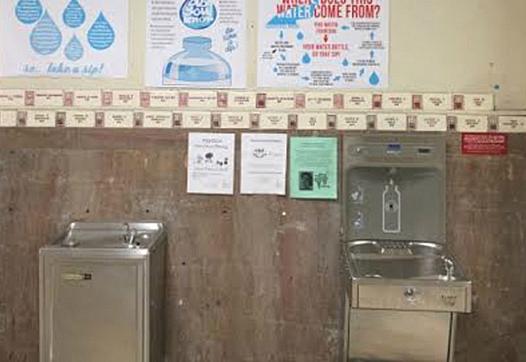
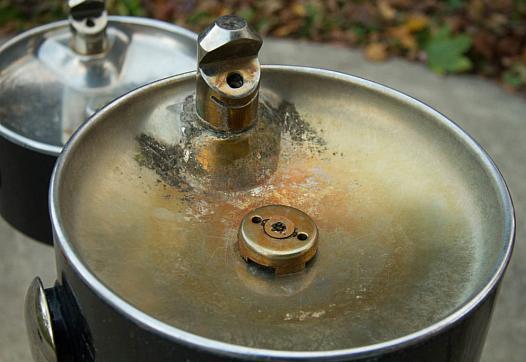
Data recently made public by Philadelphia's school district showed that nearly 15 percent of water samples taken from school drinking water outlets had lead higher than the legal level for home tap water. This needs to change.
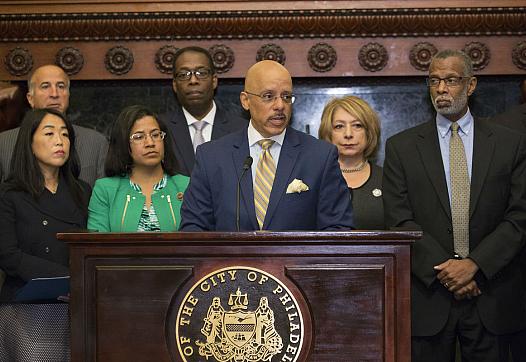
In the wake of reporting from two National Fellows, Philadelphia Mayor Jim Kenney said Monday that the city will begin to enforce a four-year-old law that requires landlords to certify that their properties are lead-safe before renting to families with young kids.
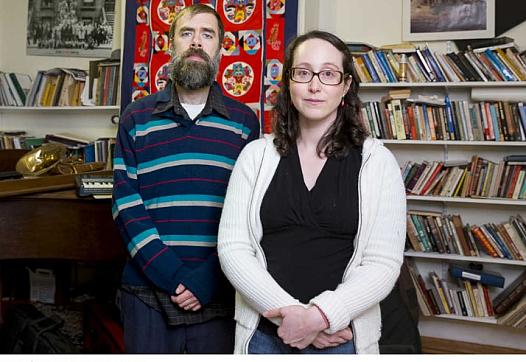
With more than 90 percent of Philadelphia homes built before the nation's 1978 lead-paint ban, the city struggles to eradicate childhood lead poisoning and ranks among the top U.S. cities for children at risk.
This article was produced as a project for the National Health Journalism Fellowship, a program of the Center for Health Journalism at the USC Annenberg School for Communication and Journalism.
Other stories in the series include:
Philly's shame: City ignores thousands of poisoned kids

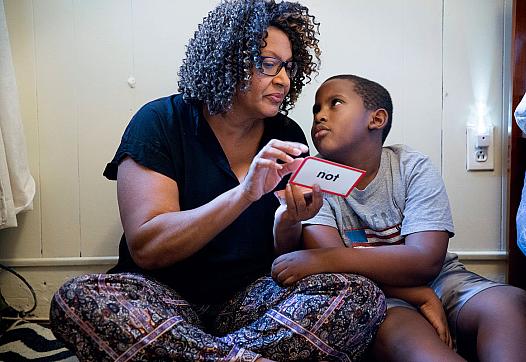
Children who have been exposed to lead poisoning have access to the Early intervention program that offers resources ranging from speech therapy to nutrition services.
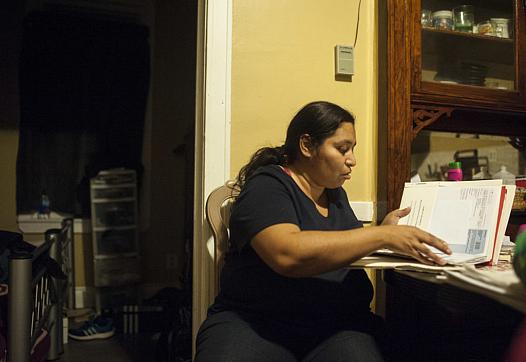
Children who were poisoned by lead are now suffering the effects as young adults. The question many parents are asking is how will the school system help these students?
While the government banned lead-based paint in 1978, more than 75 percent of houses in Chicago were built before 1970, affecting children with lead poisoning.