

Precipitation has increased 15% across the Great Lakes region in seven decades, straining Metro Detroit’s aging infrastructure. A regional task force aims to develop flood mitigation strategies by spring 2027.
Precipitation has increased 15% across the Great Lakes region in seven decades, straining Metro Detroit’s aging infrastructure. A regional task force aims to develop flood mitigation strategies by spring 2027.

Suicides among youth who evacuated Alaska Native villages after Typhoon Halong raise concerns around trauma responses to the climate disaster.
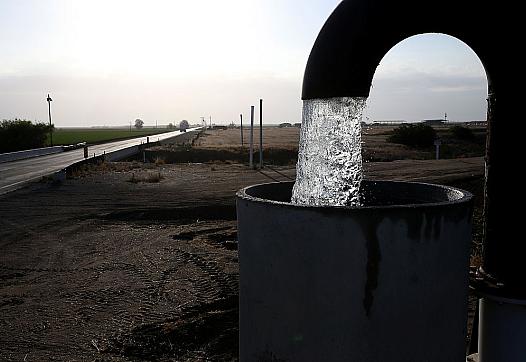
A reporter looked at data from two Central Valley counties and found people who had domestic wells were more likely than not to have nitrate levels in their wells above the safe drinking limit.
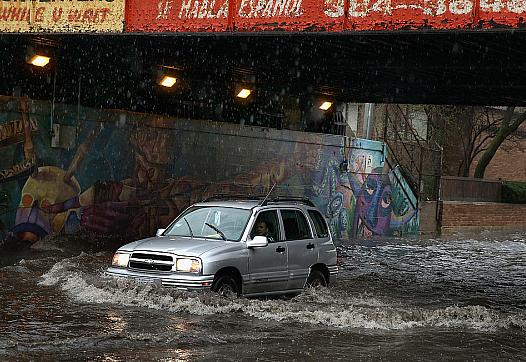
A Chicago journalist asks, Why do some parts of Chicago flood worse than others? Why are low-income, Black-majority areas hit the hardest?
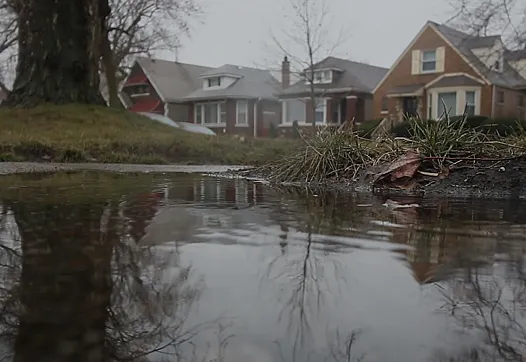
Almost every community in the Chicago area is at risk of flooding, and powerful storms are expected to increase. Here’s what to know about flood insurance.

Mayor Brandon Johnson’s administration says it will spend more than $520 million to fix homes and the sewer infrastructure needed to help prevent future floods. Residents are growing impatient.
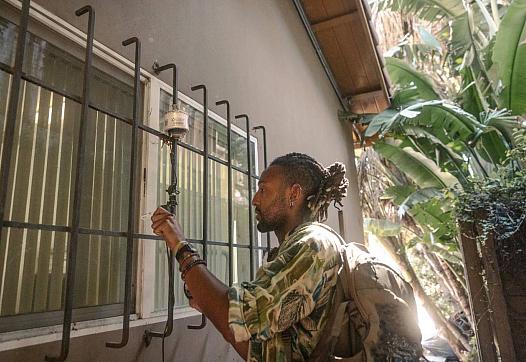
Pacoima is hemmed in by highways and heavy industry, and its residents are fighting pollution with hyperlocal air quality monitoring.
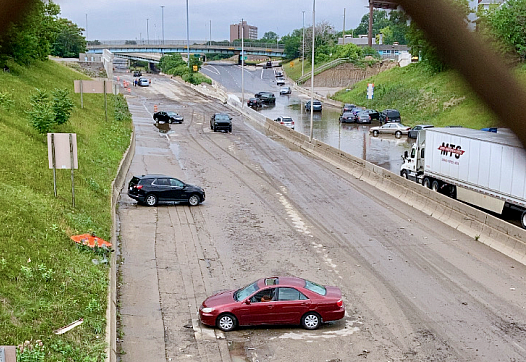
“Every person in Detroit is at risk for flooding – every single household,” says University of Michigan epidemiologist Peter Larson.
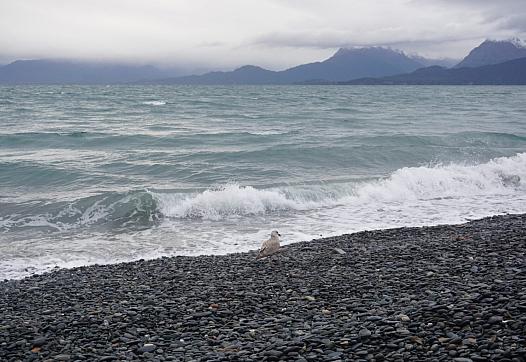
Locals who depend on the sea for food and culture are trying to understand the risks to traditional foods and wildlife populations in a region undergoing myriad changes.
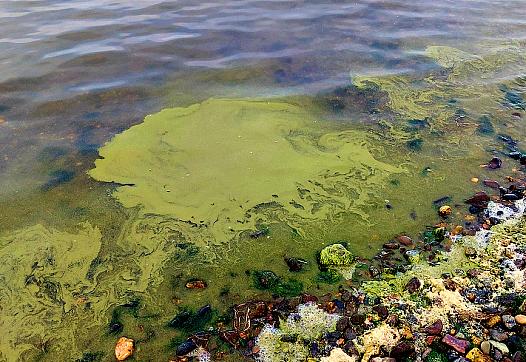
Threats from multiple types of toxin-producing algae and algae-like organisms are rising as does the water temperature.