

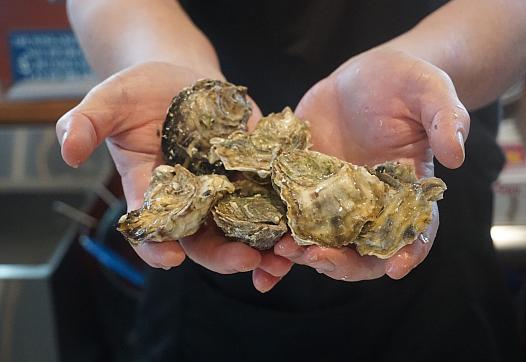
A bacteria that commonly causes gastrointestinal illness was previously no problem for Alaska seafood eaters. Now cases happen every year and the state has a control program.
A bacteria that commonly causes gastrointestinal illness was previously no problem for Alaska seafood eaters. Now cases happen every year and the state has a control program.
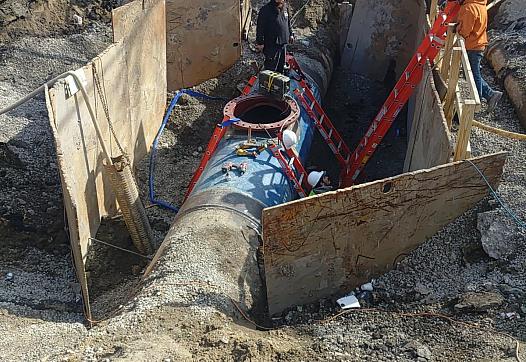
In Southwest Detroit, a year after a devastating 54-inch water main break displaced hundreds, residents face ongoing challenges.
Extreme heat disrupts body functions, raises injury risk, and worsens long-term health. Evidence shows simple protections and regulations can prevent many worker deaths.

KJZZ traces the lives lost to Arizona’s extreme workplace heat — and the growing calls for stronger protections.

An Arizona commission is set to debate new workplace heat rules as pressure grows to better protect outdoor workers.
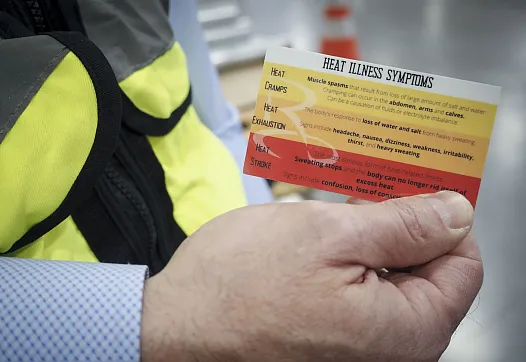
Proposed Arizona heat rules could standardize protections for workers — but some employers say the requirements may be hard to meet

Arizona workers describe dangerous heat on the job, and why fear of retaliation or lost wages keeps many from speaking up.
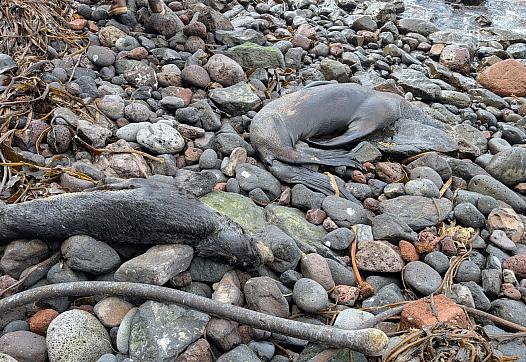
Fur seal die-offs in the Bering Sea’s Pribilof Islands are part of a pattern that affects people who depend on the sea for their food, culture and economic well-being
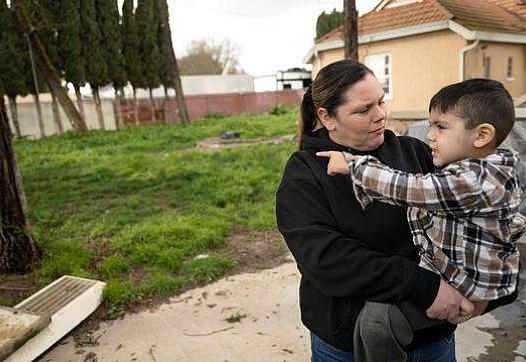
In Stanislaus County, most tested private wells exceed safe limits for nitrate and other toxins. With little regulation, rural families rely on bottled water as long-term fixes lag.
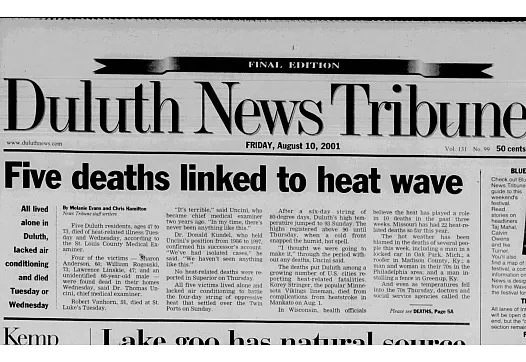
Climate change is projected to make such events more common, but in the so-called "air-conditioned city," those without access to cooled air are most vulnerable to heat-related illnesses.