

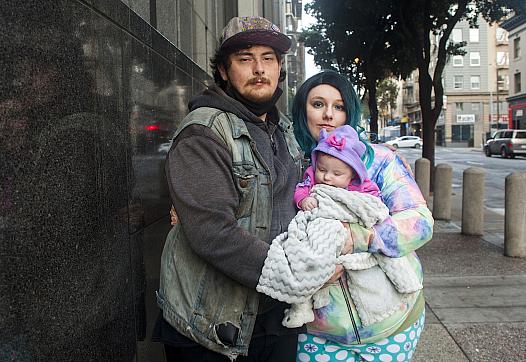
The cornerstone of the city’s homelessness fight is to move folks into permanent housing. For Nathan Caine, Cimber Sims, and their baby girl, the waiting is the hardest part.
The cornerstone of the city’s homelessness fight is to move folks into permanent housing. For Nathan Caine, Cimber Sims, and their baby girl, the waiting is the hardest part.
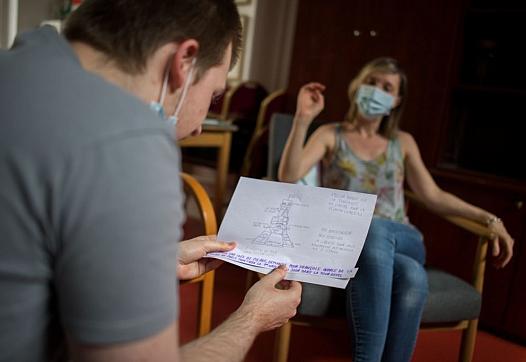
With depression, anxiety, and suicides on the rise, Biden must quickly deliver on his campaign pledge to improve access to treatment.
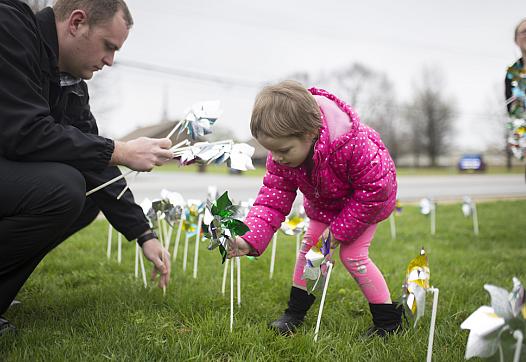
Arkansas ranks high in child abuse, deaths. COVID-19 has made it worse, officials say.
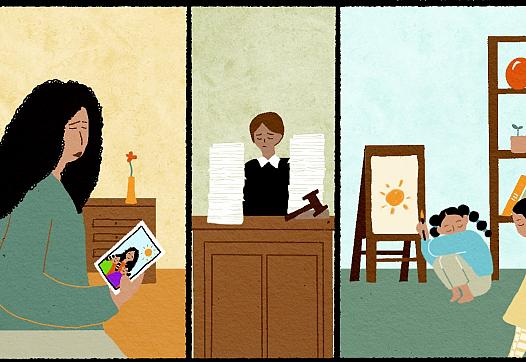
Instead of a surge of children entering foster care during the pandemic, the child welfare system has often found itself struggling to help families leave the system.
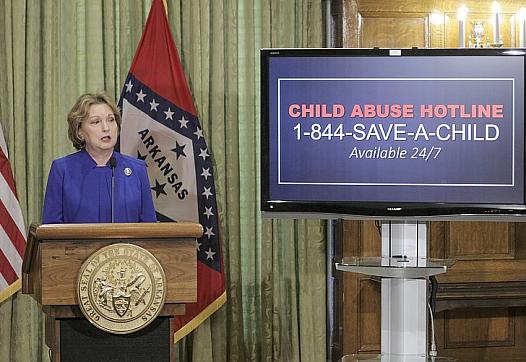
Arkansas Children’s Hospital saw an increase in the number and severity of child-abuse-related cases last year, a troubling pattern in a state that had high rates of child maltreatment before the onset of the covid-19 pandemic.
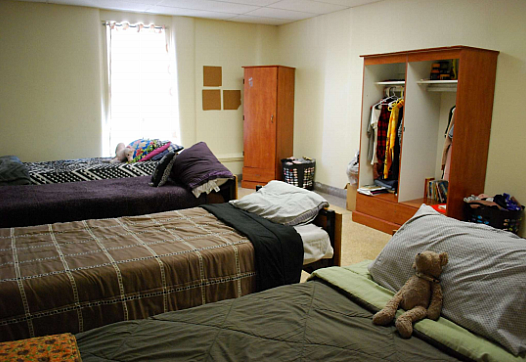
One of the nation’s largest youth residential treatment programs is shutting down after California officials, prompted by a Chronicle and Imprint investigation into rampant abuse allegations, decided to stop sending vulnerable children there.

Arkansas is the only state in the country in which two separate state departments conduct non-criminal investigations of suspected child maltreatment.
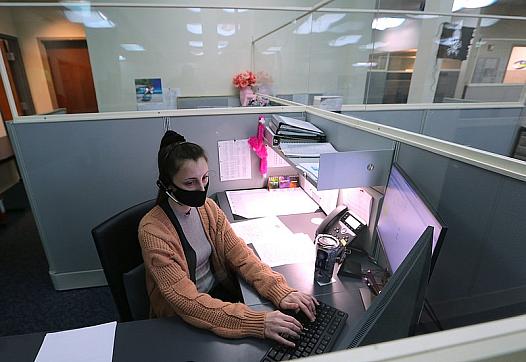
This is what happens when the hot line receives a report of alleged child maltreatment, according to interviews with Arkansas State Police and Arkansas Department of Human Services officials, state documents and state webpage.

When a reporter delved into the “hidden foster care” system, she found more questions than answers.

"The stress of my own personal experiences led me to dig deeper into how immigrant women were faring through the pandemic."