

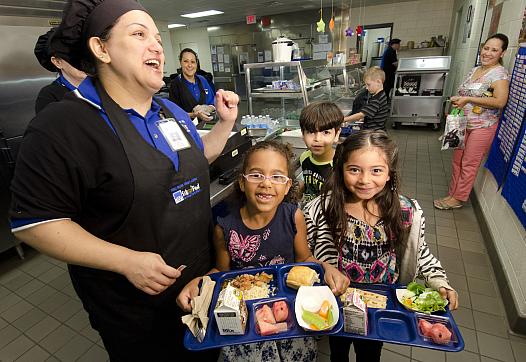
This week brought news of a compromise in the battle over new school lunch standards. It comes quick on the heels of new research that questions critics' claims of tossed food and lost revenues.
This week brought news of a compromise in the battle over new school lunch standards. It comes quick on the heels of new research that questions critics' claims of tossed food and lost revenues.
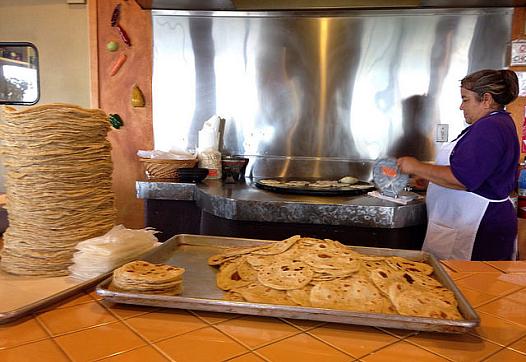
Advocates have been urging the FDA to allow corn masa to be fortified with folic acid for years, with the goal of curbing rare birth defects among Hispanic children. The FDA hasn't budged so far, but that could change as the agency reviews new research.
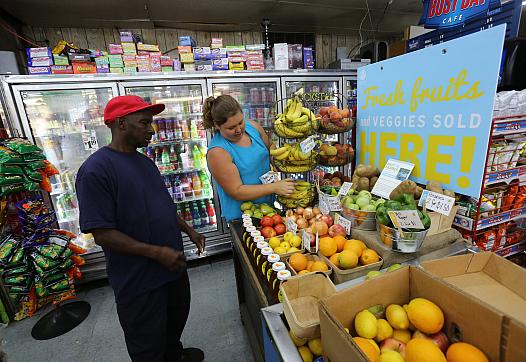
The media tends to focus on national chains such as Target and Walmart that have taken steps to offer healthier products. But the work being done to improve small stores provides a great opportunity for reporters to tell local stories in underserved areas.
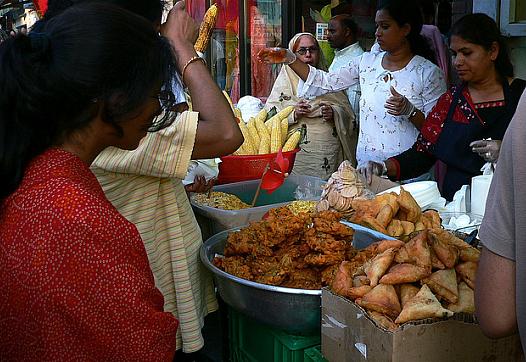
A reporting project on the rising incidence of diabetes among Indian communities finds virtue in taking an explanatory approach. "Linking our cuisine to impactful statistics and studies, I hoped, would grab the reader’s attention," California Fellow Parimal Rohit writes.
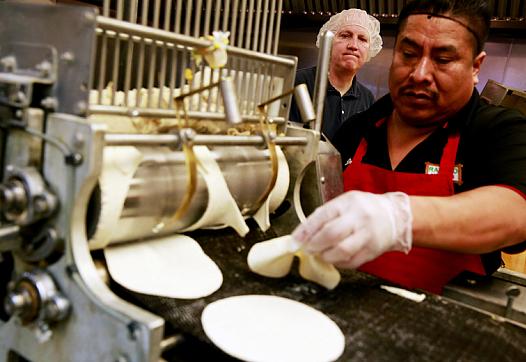
The federal Food and Drug Administration has agreed to review a long-delayed petition to fortify corn masa flour with folic acid, a move advocates say is crucial to preventing devastating birth defects like those seen in an ongoing cluster of cases in Washington state.

Just in time for Halloween, a frightful new study lends further support to the idea that calories from sugar are more likely to worsen metabolic health. This comes close on the heels of news reports that Mexico's 2013 tax on soft drinks has lowered soda sales there.
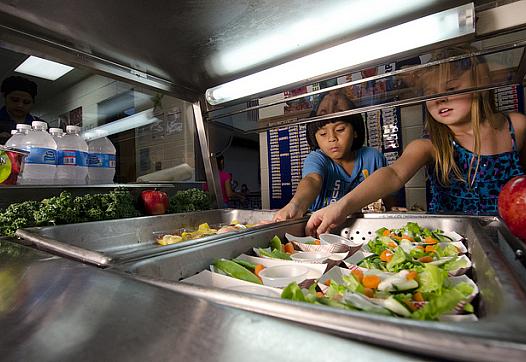
There is a growing understanding that improving student health isn't just about serving healthier foods – it’s also about promoting healthier lifestyles. Reducing junk food marketing to children is a key part of that task, and San Francisco Unified has been at the leading edge of such efforts.

Kids in poorer families eat more fast food more than their peers, right? Not necessarily, as new data from the CDC show. The idea that poverty status isn't directly correlated with fast food intake may be heartening, but it doesn't mean low-income kids are consuming equally nutritious food.
There can be no discussion of Indian culture without dedicating a portion of the topic to food. The country has a culinary history and lifestyle as diverse as it is rich. Does Indian food, however, come with a price?
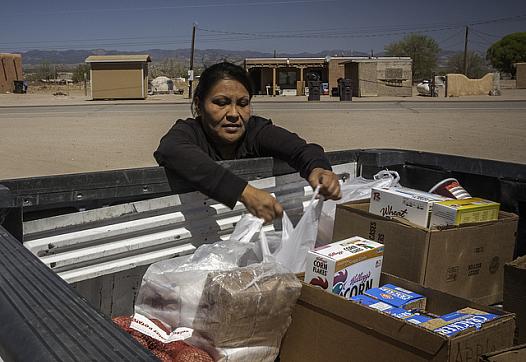
For many contemporary Native American communities, accessing healthy food in any form is a challenge. While the federal government offers some assistance, it's often not enough. For my fellowship project, I'll investigate what resources tribes are using – or not – to address food insecurity.